



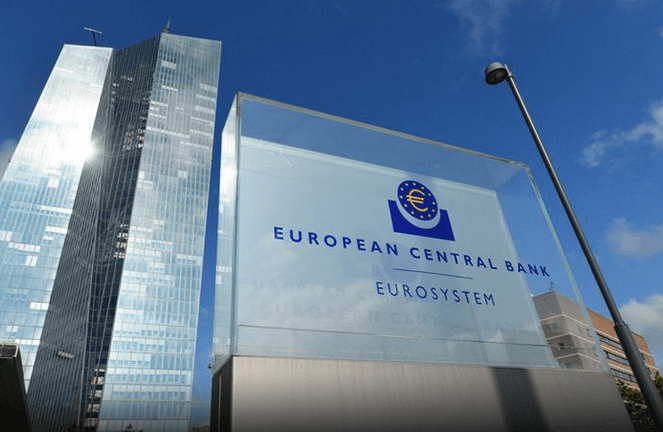
In a remarkable divergence from the recent enthusiasm in the U.S., the European Central Bank (ECB) has issued a stark warning against the burgeoning bitcoin craze, particularly spotlighting the approval of spot exchange-traded funds (ETFs) for Bitcoin by the U.S. Securities and Exchange Commission (SEC). While Bitcoin’s value has soared, crossing the $50,000 mark following the SEC’s nod to a series of U.S. spot bitcoin ETFs, the ECB remains unimpressed, casting a long shadow of doubt over the cryptocurrency’s meteoric rise.

The ECB’s critique, articulated by experts Ulrich Bindseil and Jürgen Schaaf, portrays a grim picture of Bitcoin’s utility and its recent regulatory endorsement in the U.S. Contrary to the optimistic forecasts stirred by the Bitcoin price rally, the ECB contends that such formal approvals mislead investors into believing in the safety and invincibility of Bitcoin investments. Bindseil, in particular, emphasizes that Bitcoin’s “fair value is still zero,” disputing its capability as a legitimate currency or investment vehicle.
Highlighting the disparity between the SEC’s embrace of bitcoin ETFs and the ECB’s cautionary stance, the narrative unfolds around the European institution’s concerns over “collateral damage.” The ECB experts argue that Bitcoin has not lived up to its promise as a global decentralized digital currency, citing its minimal use for legitimate transactions. The approval of ETFs, according to the ECB, does not alter Bitcoin’s unsuitability as a payment method or investment.
Further complicating Bitcoin’s narrative are allegations of price manipulation and fraud, as pointed out by Bindseil. He references a Forbes analysis indicating that a significant portion of daily bitcoin trading volume on crypto exchanges could be fabricated. This suspicion gains weight amidst the recent “crypto winter,” where diminished trading volumes potentially amplify the impact of market interference.
The ECB’s warnings extend beyond market manipulation to highlight Bitcoin’s role in financing terrorism, money laundering, and ransomware, underscoring the burgeoning demand for these illicit advantages. As the U.S. witnesses a surge in bitcoin ETF investments, the ECB rebukes this development as a “misjudgment,” stressing the importance of regulatory vigilance to shield society from a myriad of risks, including financial losses among the less informed and extensive environmental harm.
The ECB’s critical viewpoint on the bitcoin rally and the SEC’s approval of bitcoin ETFs raises pivotal questions about the sustainability and intrinsic value of cryptocurrencies. Amidst speculative bubbles and lobbying efforts, the ECB cautions against equating market capitalization with success, warning of the societal damage awaiting when the speculative bubble bursts.
This stark contrast between the optimism in the U.S. and the ECB’s apprehensions reflects a broader debate on the future of cryptocurrencies and their place in the global financial ecosystem. As the crypto market continues to navigate through turbulent waters, the clash of perspectives between major regulatory bodies like the SEC and the ECB underscores the complexities and uncertainties surrounding the adoption and regulation of digital currencies.