



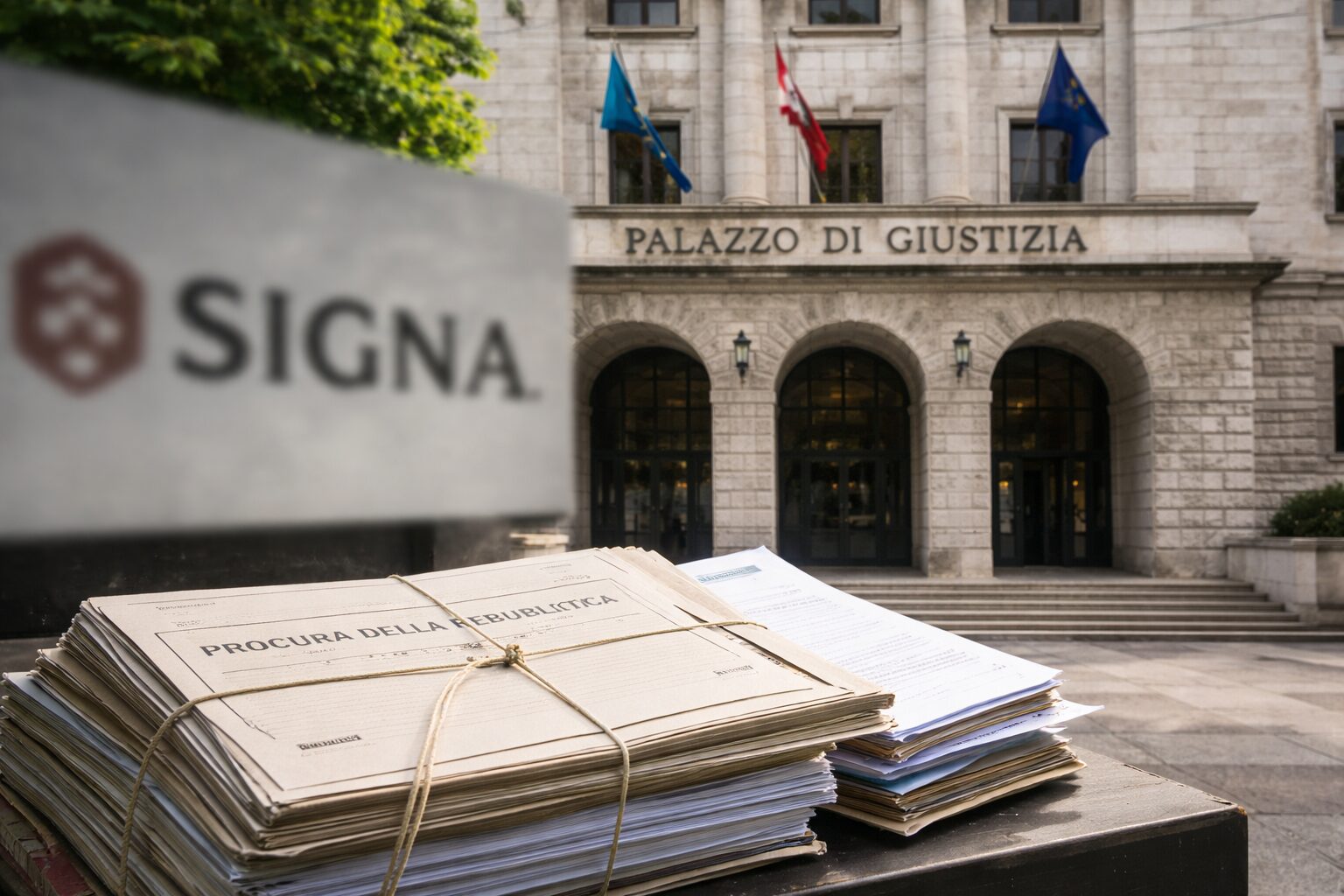
Italian prosecutors in Trento have moved to drop the heaviest “mafia-style criminal organisation” allegations against former tycoon René Benko in the Romeo investigation. But an investigating judge is pushing back, while in Austria Benko faces two non-final convictions for fraudulent bankruptcy and remains in pre-trial detention over the wider Signa collapse.
Key Points
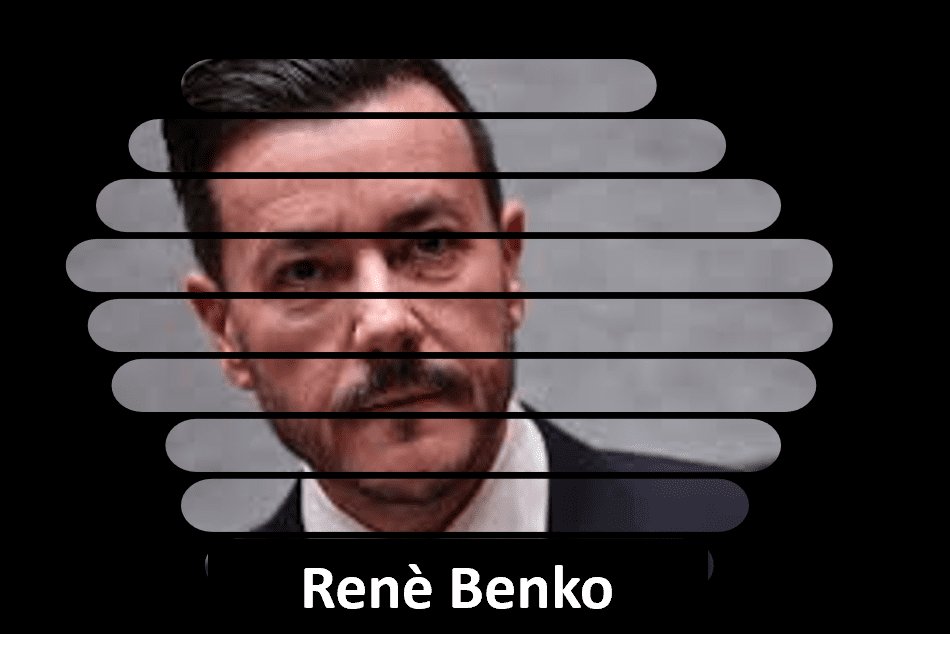
- Italian retreat – but no clean slate yet: The Trento prosecutor’s office has filed a 24-page request to drop the “mafia paragraph” and the core allegation of a criminal association using mafia-like methods around Signa projects such as Waltherpark and “Gries Village” (Source: Kurier, DER STANDARD).
- Judge resists archiving: A giudice per le indagini preliminari (investigating judge) has reportedly refused the archiving request and wants to keep the serious charges on the table, with a key hearing scheduled for 5 February 2026 (Source: RaiNews).
- Original Italian narrative: Benko was previously described as the “head of a mafia-like criminal association” alleged to have bought influence over permits and concessions via a network of businessmen, officials, and local politicians; a European arrest warrant and around 100 searches followed.
- Two Austrian convictions, both under appeal:
- October 2025: 24 months’ unconditional prison for betrügerische Krida over a €300,000 payment to his mother before personal insolvency (Source: Legal Tribune Online).
- December 2025: 15-month suspended sentence plus fine for hiding luxury watches and cufflinks from creditors; his wife Nathalie Benko was acquitted. Both Benko and the WKStA have lodged Nichtigkeitsbeschwerde and appeals.
- U-Haft continues: Despite the Italian development, Austrian courts have extended pre-trial detention until at least 12 January 2026, citing risk of further offences and ongoing mega-investigations into the Signa collapse (Source: VZ VermögensZentrum).
Read our reports on the Rene Benko Case here.
Short Narrative
For a year, the Italian Romeo investigation was one of the most explosive components of the Signa complex. Prosecutors in Trento accused Benko of heading a mafia-style structure that allegedly used donations, promises of jobs and a tightly knit local network to push through projects such as Waltherpark and airport expansions in South Tyrol.
Now, that narrative is wobbling. The prosecution has concluded that the evidence does not support a conviction under the mafia statute or for criminal association, and therefore wants most of the 35 accusation points against 77 suspects dropped; only minor offences such as secrecy breaches or procurement irregularities might remain. For Benko, his defence already speaks of the prospect that “no relevant charge will survive” in Italy.
However, the legal story is not over: the investigating judge has refused to rubber-stamp the retreat and insists the serious allegations should not be shelved at this stage. The decision has been effectively kicked to a February 2026 hearing.
Extended Analysis
From a FinTelegram perspective, the Italian move is best read as prosecutorial de-escalation, not exoneration. The mafia framing was always ambitious: complex zoning, lobbying and donations are notoriously hard to convert into “mafia-type association” convictions, especially without clear evidence of violence or extortion.
At the same time, the Austrian risk profile for Benko remains extreme. Two Innsbruck courts have now found – albeit non-finally – that he stripped assets out of his personal insolvency estate, first via a €300,000 gift to his mother, then via luxury watches and cufflinks parked in a family safe. These are comparatively small numbers, but they create an important pattern: courts accepting the WKStA’s core thesis of deliberate creditor harm.
The real Signa causa is still ahead. The WKStA and German partners in Joint Investigation Teams are running more than a dozen large files on fraudulent bankruptcy, breach of trust, serious fraud, creditor favouritism and subsidy abuse with a current damage estimate around €300 million – against a total Signa collapse of up to €40 billion.
Against this background, Benko’s latest push to leave pre-trial detention – arguing that the Italian retreat and the partial acquittals remove any “danger of further offences” – is far from a done deal. The WKStA publicly maintains that detention grounds continue to exist and notes that the defence has so far not systematically attacked Vienna’s detention orders.
For creditors, investors and political stakeholders, the message is clear: Italy may be stepping back from the mafia narrative, but the Austrian and German insolvency- and fraud-tracks are very much alive.
Call for Information
We invite insiders, former employees, advisers, public officials and counterparties in Austria, Germany, Italy or elsewhere who have information on Signa-related asset transfers, political influence channels, side letters, or offshore structures to contact us securely via Whistle42.com. Documents, emails, and transaction records are particularly valuable for mapping the Signa Crime Case.