



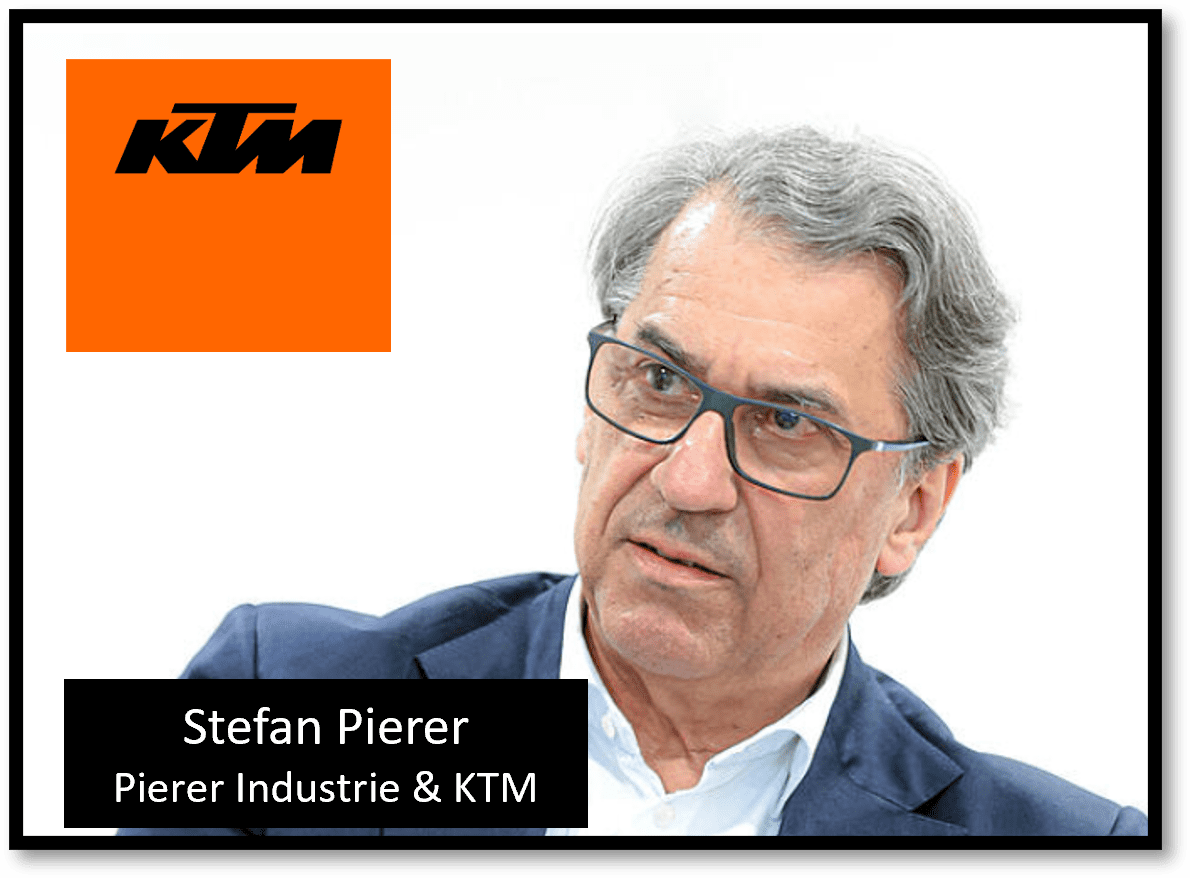
The insolvency of KTM, the iconic Austrian motorcycle manufacturer, marks a tragic chapter in the world of motorsports and industrial mismanagement. Once celebrated as a symbol of Austrian engineering prowess, KTM‘s financial collapse exposes deep cracks in corporate governance and raises critical questions about the role of its majority shareholder, Stefan Pierer, whose controversial decisions have thrown the company—and its thousands of employees—into turmoil.
A Crumbling Foundation Built on Short-Term Gains
For years, public-listed KTM enjoyed a reputation for innovation and market dominance. Yet, as the company announced restructuring under insolvency proceedings, it’s clear that warning signs were long ignored. The numbers are staggering: a 27% drop in turnover in the first half of 2024, a €195 million operating loss, and net debt ballooning from €300 million in 2022 to €1.5 billion in 2024. These figures reflect a company grappling with mismanagement and reckless financial practices.
One glaring issue is the 2021 dividend payment of €11.25 million for the 2020 financial year. This payout occurred while KTM received €11 million in state subsidies, a move that seems almost farcical in hindsight. Despite accepting taxpayer money intended to safeguard jobs during the pandemic, the company’s executives, including Pierer, prioritized shareholder payouts and executive bonuses over long-term stability.
The Pierer Controversy: A Case Study in Corporate Mismanagement
As the CEO and majority shareholder of KTM’s parent company, Pierer Industrie AG, Stefan Pierer’s role in this debacle cannot be overstated. Pierer, who describes KTM as his “life’s work,” oversaw the €17 million dividend distribution in spring 2024 while the company was drowning in debt. Critics argue this epitomizes a pattern of prioritizing personal and shareholder gains at the expense of the company’s health and its 4,000 employees.
The financial missteps are even more striking when considering the €11 million in COVID-19 subsidies KTM received, which accounted for 20% of its 2020 profits. Rather than using these funds to strengthen the company, Pierer’s administration chose to reward shareholders and increase executive board remuneration by 30% in 2020, all while production workers faced short-time work and reduced wages.
The Bajaj Factor: A Restructuring Wild Card
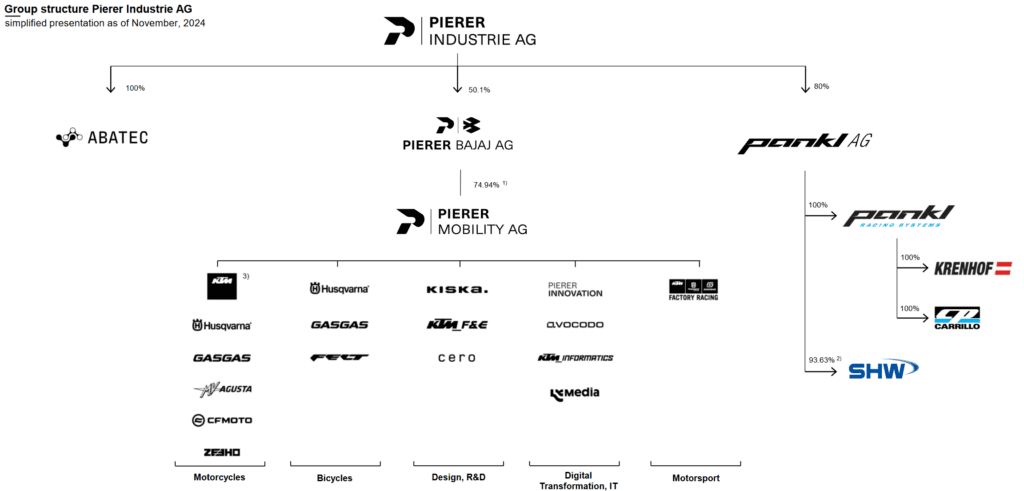
KTM’s financial woes also put a spotlight on its complex ownership structure, with Pierer Bajaj AG, a joint venture between Pierer Industrie and India’s Bajaj Auto, holding the reins. Negotiations between Pierer and Bajaj for a financial lifeline have reportedly stalled, leaving the future of KTM uncertain. Bajaj, already a key stakeholder, may seize this opportunity to take full control—potentially sidelining Pierer altogether.
Such a move would represent a seismic shift for KTM, which has long been synonymous with Austrian craftsmanship. A Bajaj takeover would not only mark the end of an era but also highlight Pierer’s failure to safeguard the company he once called his legacy.
The Human Cost of Corporate Neglect
For KTM‘s 3,670 employees, the consequences of this mismanagement are devastating. With November wages and Christmas bonuses unpaid, workers are left reliant on Austria’s insolvency compensation fund. The company has announced a production halt for January and February 2025, signaling potential layoffs and long-term instability.
The broader Austrian economy also bears the burden. KTM’s insolvency threatens to trigger the collapse of Pierer Industrie AG, which is now seeking European restructuring under the Restructuring Regulation. This could impact €247.5 million in bonds and loans, creating ripples across financial markets and further eroding trust in Austria’s corporate governance.
A Systemic Issue: When Public Money Becomes Private Profit
KTM‘s collapse isn’t just a story of one company’s failure—it’s a damning indictment of Austria’s corporate subsidy system. The fact that taxpayer money subsidized dividends and executive bonuses should raise alarms across the political spectrum. Pierer, a known donor to Austria’s conservative People’s Party (ÖVP), has drawn criticism for benefiting from public funds while failing to ensure the company’s sustainability.
The €11 million in COVID-19 aid that buoyed KTM during the pandemic was intended to protect jobs, not pad shareholder pockets. Yet, the company’s leadership exploited these funds while simultaneously dismantling the very foundations they were meant to preserve.
The Road Ahead: Lessons from KTM’s Downfall
KTM‘s collapse should serve as a wake-up call for corporate and government leaders alike. The company’s insolvency underscores the need for stricter oversight of state subsidies, better corporate governance, and a rethinking of short-term profit motives that sacrifice long-term stability.
As Pierer scrambles to save what’s left of his empire, KTM’s story is a cautionary tale for businesses navigating crises. The decisions made today—whether by Pierer, Bajaj, or the Austrian government—will determine not only the future of KTM but also the legacy of a brand that once stood as a global icon of innovation.