



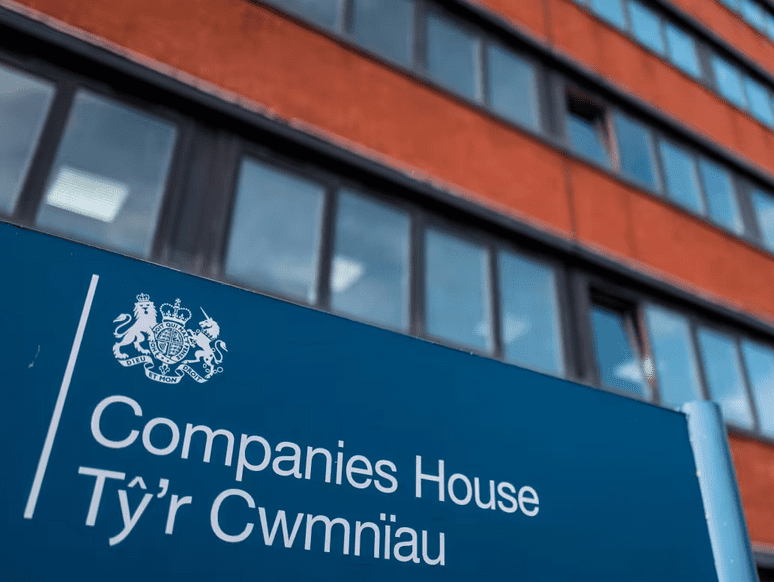
In a significant policy shift aimed at enhancing the integrity of the business environment, the UK’s Companies House heralded a new era in its battle against economic crime with the activation of the Economic Crime and Corporate Transparency Act 2023 (ECCT Act) starting from 4 March 2024. This move comes after years of criticism regarding the agency’s lenient stance that reportedly facilitated a playground for fraudulent activities and economic crime through the misuse of the corporate registry.
For decades, Companies House has operated as the custodian of the UK’s corporate register, a role that, until now, included limited powers in verifying the accuracy of the information submitted by companies. This perceived laxity has not only attracted domestic censure but also international concern, with critics arguing that it tarnished the UK’s reputation as a leading global business hub.
However, with the commencement of the first set of measures under the ECCT Act, Companies House is set to undergo what CEO Louise Smyth described as “the most significant change… in our 180-year history.” The newly granted powers aim to significantly tighten the noose around the misuse of the corporate registry for fraudulent schemes, money laundering, and other illicit activities.
Key Reforms Introduced
The reforms introduced are multifaceted, targeting several known loopholes and enhancing the overall quality and reliability of the register. These include:
- Enhanced Verification Powers: Companies House now has greater authority to query submissions and request supporting evidence, a move expected to deter the submission of fraudulent or inaccurate information.
- Stricter Control on Company Names: The new rules aim to prevent the registration of company names that can be misleading or that mimic the names of established businesses.
- Registered Office Addresses: The reforms abolish the use of P.O. Box numbers as registered office addresses, compelling companies to provide a legitimate, verifiable address.
- Mandatory Email Addresses: Companies are now required to supply a registered email address, facilitating better communication and verification processes.
- Lawfulness Confirmations: At incorporation and during annual confirmations, companies must affirm the lawful nature of their intended activities.
- Data Sharing and Inaccuracy Removal: Enhanced powers to rectify or remove incorrect information and improved data sharing with other government bodies and law enforcement agencies are now in place.
Additionally, the introduction of new criminal offenses and civil penalties are set to reinforce these measures, signaling a tougher stance against those who seek to exploit the system.
Prioritizing the Protection of Individuals
A primary focus of the initial phase of these reforms is to protect individuals whose personal details have been misused. Companies House has pledged to prioritize cases involving the unauthorized use of names and addresses, streamlining the process for reporting and removing such information. This is a crucial step in safeguarding personal privacy and deterring identity theft associated with corporate fraud.
A Global Statement
The remarks from Business Minister Kevin Hollinrake underscore the broader ambition of these reforms: to safeguard the UK’s economic integrity and reinforce its standing as a secure and trustworthy place to conduct business. By addressing long-standing vulnerabilities in the corporate registration process, the UK aims to shed any perception of being a haven for “the world’s scammers” and reassert its commitment to global business ethics and transparency.
Phased Implementation to Ease Transition
Recognizing the potential burden on legitimate businesses, Companies House has opted for a phased implementation of the new requirements. This approach is designed to integrate the changes within existing reporting cycles smoothly, minimizing disruption and ensuring businesses can adapt without undue hardship.