


Cyprus, the small Mediterranean island nation, has seen a significant influx of wealthy Russians over the past few decades. This migration has transformed parts of the island into what can be described as a “Little Russia,” with Russian businesses, restaurants, and cultural centers becoming commonplace. But what does this mean for Cyprus, and the broader geopolitical landscape, especially in light of the Western sanctions against Russia due to the Ukraine invasion?
The Russian Cyprus Invasion
The Russian-speaking inhabitants of the island often name it Limassolgrad or Lim and consider the city their capital. In Limassol, tens of thousands of immigrants from the CIS countries live, and mostly our compatriots invested in modern houses and villas here. In the city, one can hear Russian at almost every step, and they even announce bus stops not only in Greek but in Russian.
Cyprus has long been a go-to destination for wealthy Russian individuals due to its relatively easy immigration process, low taxes, and openness to attracting as much foreign business as possible. Its beaches are also a plus. According do a Washington Post report, up to 50,000 people form Russia and Ukraine have moved to Cyprus since the begin of the Ukraine invasion in February 2022.
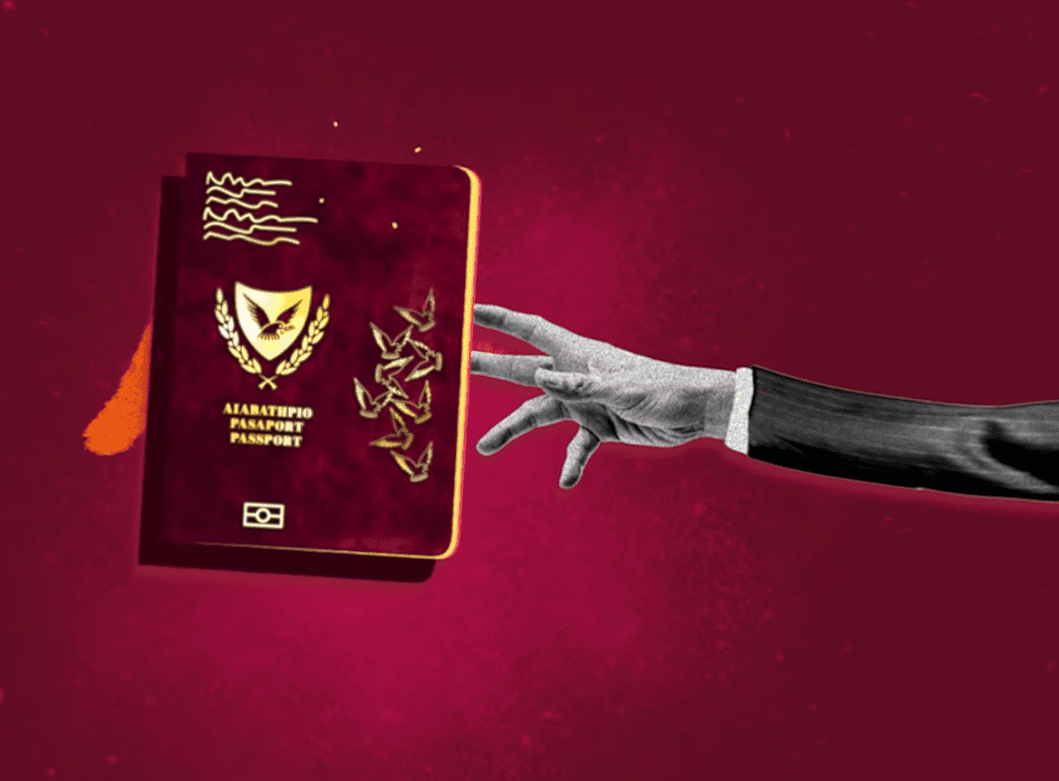
Because of the massive imprint of Russian immigrants and tourists on the city, Limassol is also jokingly referred to as Limassolgrad. Western sanctions have dried up the Russian tourist trade, which is important for Cyprus. But the rich Russians (often provided with a Golden Passport) are still (officially) in Cyprus.
Impact on Cyprus:
- Economic Boost: The presence of wealthy Russians has undoubtedly brought a significant amount of investment into the Cypriot economy. Real estate, in particular, has seen a boom, with many Russians purchasing luxury properties on the island. This has led to increased property prices and a thriving construction sector.
- Banking Sector: Cyprus’s banking sector has benefited from the influx of Russian capital. Many Russians have opened bank accounts in Cypriot banks, leading to an increase in deposits and banking activities. However, this has also raised concerns about money laundering and the transparency of financial transactions.
- Cultural Influence: The Russian presence is evident in the cultural landscape of Cyprus. Russian schools, churches, and cultural centers have sprung up, catering to the Russian-speaking population. This has enriched the cultural tapestry of the island but has also led to concerns about assimilation and cultural dominance.
Geopolitical Implications:
A few weeks ago, Cyprus has received an 800-page dossier from the US government detailing sanctions breaches by local individuals and entities that are alleged to have enabled the Russian billionaire, Alisher Usmanov, to conceal details of his assets.
The influx of Russian money and influence in Cyprus comes against the backdrop of heightened tensions between Russia and the West, especially following Russia’s invasion of Ukraine. Western sanctions against Russia have had several implications:
- Asset Freezing: Prominent Russians, including oligarchs and politicians, have faced sanctions, including asset freezes. This has led some to move their assets to places like Cyprus to safeguard them.
- Banking Restrictions: With Russian banks facing restrictions in the West, Cyprus has become an attractive destination for banking activities for Russians.
- Diplomatic Strains: The presence of sanctioned individuals and businesses in Cyprus has led to diplomatic strains between Cyprus and Western nations. There are concerns that Cyprus could be used as a backdoor for sanctioned Russian entities to bypass restrictions.
Specific Individuals and Cases:
- Oleg Deripaska: A prominent Russian oligarch, Deripaska has faced sanctions from the US. He has significant business interests in Cyprus and has been a notable figure in the Russian-Cypriot landscape. He received Cyprus citizenship in 2017. Deripaska is on the Western Sanction list.
- Viktor Vekselberg: Another Russian billionaire who faced sanctions, Vekselberg has ties to Cyprus through his business ventures. He is a major shareholder in the largest bank in Cyprus and was offered Cyprus citizenship. Vekselberg is on the Western Sanction list.
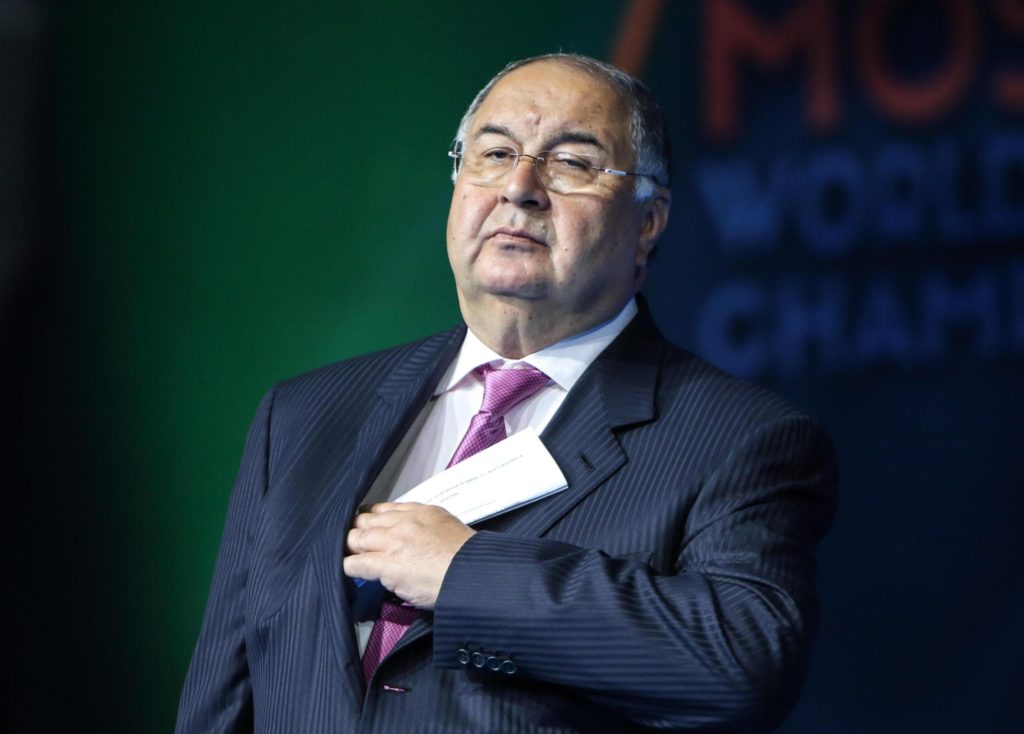
- Alisher Usmanov: the oligarch owns the steel giant Metalloinvest and the Russian business daily Kommersant. He Alisher Usmanov has two offshore companies in Cyprus, Delesius Investments Ltd and Bacerius Investments Ltd, designated as the owners of a 16th-century mansion, Sutton Place, in the U.K. Usmanov is on the Western Sanction list.
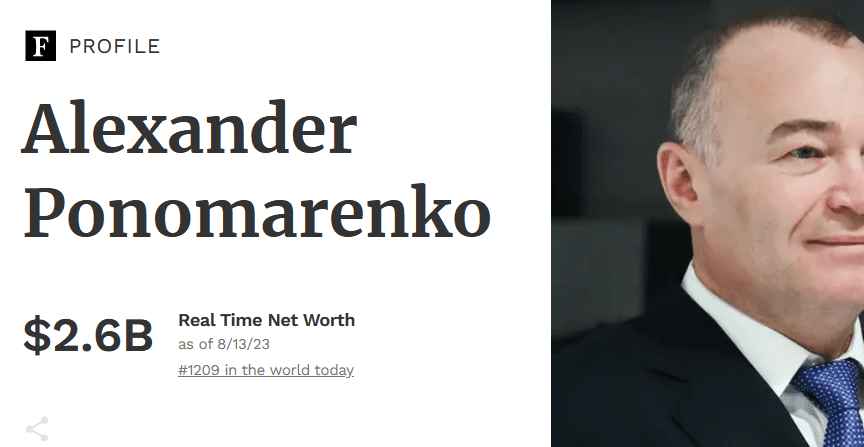
- Alexander Ponomarenko: Forbes estimates his fortune at $2.6 billion. He obtained Cypriot citizenship in 2016 when purchasing a luxury property. Ponomarenko is on the Western Sanction list.
Conclusion:
The “Little Russia” phenomenon in Cyprus is a testament to the intricate web of geopolitics, economics, and culture. While Cyprus has benefited economically from the Russian presence, it also finds itself at the crossroads of global geopolitics, especially in light of the sanctions against Russia. The island nation must tread carefully to balance its economic interests with its diplomatic obligations.
Share Information
If you have any information about Russian activities in Cyprus, please let us know through our whistleblower system, Whistle42.