



European politics has never witnessed a fall from grace as spectacular and scandalous as that of Karl-Heinz Grasser. Once hailed as the youthful face of modern conservatism, Grasser now languishes behind bars, the first former EU finance minister to actually serve a prison sentence for corruption—a historic and damning precedent for the European Union.
The Last Days of Freedom: Capri’s Luxury, Austria’s Outrage
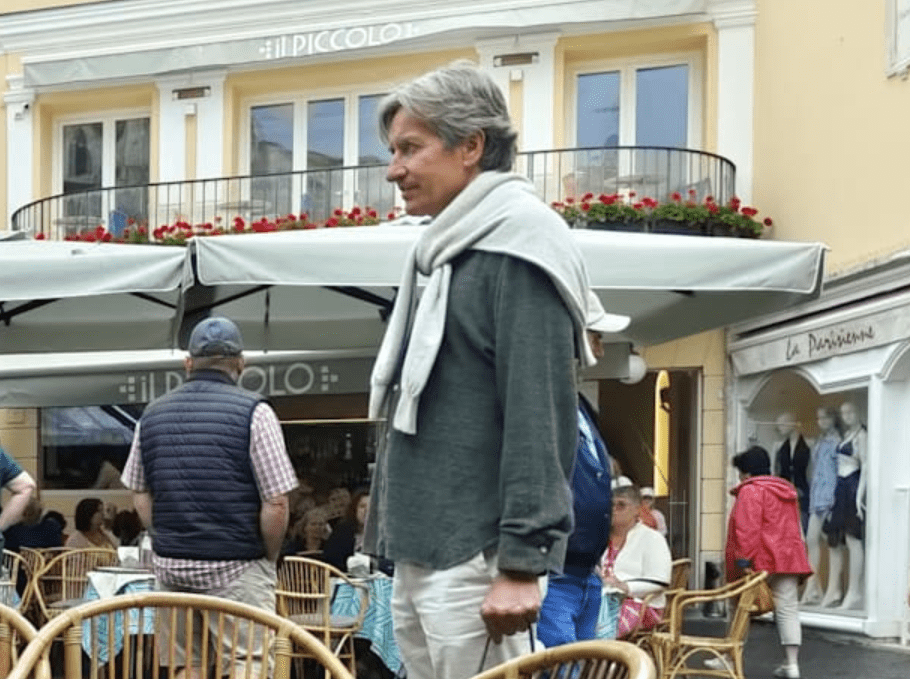
Just 24 hours before reporting to Innsbruck Prison on June 2, 2025, Grasser was spotted in the lap of luxury: shopping with his wife Fiona on the exclusive Italian island of Capri. While ordinary Austrians grappled with the fallout of his crimes, Grasser strolled through designer boutiques, seemingly unfazed by his impending incarceration. Eyewitnesses described the couple as “deeply relaxed,” carrying shopping bags and seeking shelter from a light rain in a café—a scene that has ignited public anger and disbelief across Austria.
Officially Bankrupt, Privately Indulgent
The Capri shopping spree is all the more provocative given Grasser’s official status: he is insolvent. In late April 2025, Grasser filed for personal bankruptcy, unable to pay the €9.8 million in damages owed to the Austrian state after his conviction in the BUWOG scandal. His debts now total a staggering €21 million, with his own wife among the creditors seeking repayment. Grasser claims that the lengthy legal battle left him without income and “no other option” but bankruptcy.
The BUWOG Scandal: Corruption on an Unprecedented Scale
The roots of Grasser’s downfall lie in the infamous BUWOG affair, a saga of political ambition, insider deals, and breathtaking greed. As finance minister (2000–2007), Grasser orchestrated the sale of 60,000 state-owned apartments in 2004. The winning bid, just €1 million above the next competitor, was allegedly secured thanks to Grasser leaking confidential information to favored investors.
In return, Grasser and his close associates pocketed €9.6 million in bribes—money funneled through tax havens and disguised as “commissions.” The Vienna court called it a “crime of unbelievable proportions,” and the trial, which lasted three years and featured 150 witnesses, ended with Grasser’s conviction for breach of trust, bribery, and accepting illegal gifts.
The Sentence: From Eight Years to Four, But Prison is Real
Initially sentenced to eight years in 2020, Grasser’s term was reduced to four years by Austria’s Supreme Court in March 2025, citing the extraordinary length of the proceedings. Despite his claims of innocence and plans to appeal to the European Court of Human Rights, Grasser began his prison term on June 2, 2025.
A Brief Stay Behind Bars? Early Release Expected
Yet, the drama is far from over. Under Austrian law, Grasser could be eligible for early release after serving only a few months, with the remainder of his sentence to be served under house arrest with an ankle bracelet. Legal experts anticipate that, due to planned amendments, Grasser may not spend much time in a cell—a prospect that only adds to public resentment.
A European First: No Precedent for an EU Finance Minister
Grasser’s imprisonment is a watershed moment: he is indeed the first former EU finance minister to actually serve a prison sentence for corruption. While other European finance ministers have faced legal troubles—such as Slovakia’s Peter Kažimír, who was fined for bribery—none have been incarcerated for corruption offenses as Grasser has. The case of former Czech finance minister Ivo Svoboda, who was jailed for embezzlement, does not match the EU-level finance ministerial rank or the scope of Grasser’s conviction.
The Legacy: A Stark Warning to Europe’s Political Elite
Grasser’s saga is a cautionary tale of unchecked power, greed, and the illusion of invincibility. From the heights of political stardom to the ignominy of a prison cell, his story exposes the vulnerability of European democracies to corruption at the very top. As Grasser begins his sentence—however brief—the message is clear: not even the most privileged are immune from the law.
But for many Austrians, the image of Grasser shopping in Capri, insolvent yet unbothered, will linger as a bitter symbol of a justice system still struggling to close the gap between power and accountability.