


The world’s largest crypto exchange Binance is facing a fresh U.S. political and compliance challenge after U.S. Senator Richard Blumenthal (Ranking Member, Senate PSI) launched a formal inquiry into allegations that the exchange facilitated large-scale Iran-linked and Russia “shadow fleet” transactions. The move reopens the core question of whether Binance’s post-2023 remediation is substantive—or merely performative.
Key Points
- Sen. Richard Blumenthal opened a preliminary PSI inquiry and demanded records from Binance by March 6, 2026.
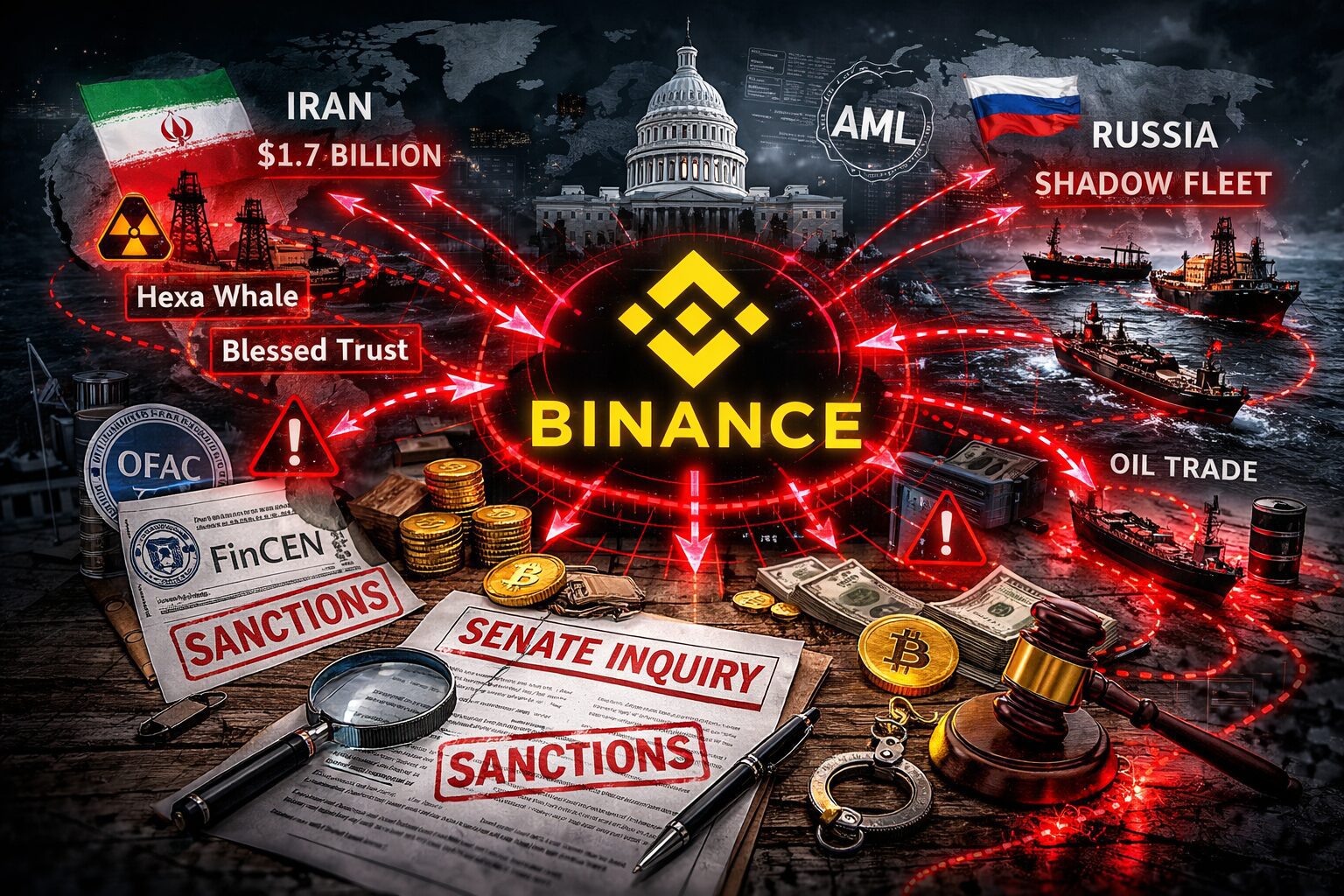
- The inquiry cites reporting alleging roughly $1.7 billion in transfers linked to Iranian entities and connections to Russia’s sanctions-evading oil trade.
- Blumenthal’s letter specifically requests records concerning Hexa Whale, Blessed Trust, possible sanctions-evasion activity, and the suspension/dismissal of compliance investigators.
- Binance publicly rejects key press allegations, says its investigation was structured, claims the accounts were later offboarded, and denies firing staff for compliance reporting.
- The inquiry lands on top of Binance’s 2023 U.S. criminal/AML/sanctions resolutions, including Treasury/FinCEN/OFAC penalties and a monitorship framework.
- It also follows the May 2025 SEC dismissal with prejudice of the SEC’s civil lawsuit against Binance.
Short Narrative
The latest development in the Binance case is not a new enforcement action—yet. It is a document-heavy U.S. Senate inquiry that directly targets Binance’s sanctions controls, escalation culture, and post-settlement compliance credibility.
On February 24, 2026, Sen. Richard Blumenthal (D-CT), as Ranking Member of the Senate Permanent Subcommittee on Investigations (PSI), sent a letter to Binance CEO Richard Teng demanding records tied to alleged Iran- and Russia-linked illicit flows on Binance, including records on Hexa Whale and Blessed Trust, sanctions-evasion typologies, and personnel decisions involving internal investigators. The letter sets a response deadline of March 6, 2026.
This matters because the allegations—if substantiated—go to the heart of Binance’s obligations under the 2023 U.S. resolutions. Treasury’s 2023 announcement described Binance’s failures in AML and sanctions controls as historic, imposed massive penalties, and required ongoing monitorship and compliance undertakings, with Treasury retaining access and warning of additional penalties for non-compliance.
Extended Analysis
1) Why this is a serious compliance event even without a new charge
Blumenthal’s move is politically framed, but from a compliance perspective it is highly material. The inquiry requests precisely the evidence categories regulators and prosecutors care about in sanctions/AML matters:
- internal investigative reports
- KYC and onboarding decisions
- VIP treatment decisions
- internal warnings and policy recommendations
- management responses
- employment actions affecting control staff
That is effectively a culture-and-controls test. In enforcement practice, failures are often not limited to “bad transactions”; they become “bad governance” when warning signals are documented and then overridden. Blumenthal’s letter explicitly raises that theme.
2) Binance’s defense line: controls, indirect exposure, offboarding, confidentiality
Binance has responded publicly with a detailed compliance blog post arguing that the reporting is incomplete and mischaracterized. It says the users were not on sanctions lists at the relevant time, claims the flows did not trigger standard surveillance alerts, states it investigated the matter in mid-2025, mitigated risk, offboarded accounts, and shared information with authorities. Binance also denies retaliatory firing for compliance reporting, saying departures followed data-protection/confidentiality breaches.
This is a recognizable defense in crypto compliance disputes: “indirect exposure, no list hit, post-detection mitigation.” The problem is that such a defense can still fail if evidence shows repeated risk escalation, privileged treatment for high-risk counterparties, or suppression of internal control functions.
3) The broader “Binance case” context: fragmented legal risk, persistent sanctions risk
A key point for analysts: Binance’s legal exposure is now fragmented. The SEC civil case was dismissed with prejudice in May 2025, but that does not erase Binance’s separate AML/sanctions obligations under the 2023 DOJ/Treasury/CFTC resolutions.
In other words, the latest development is not “Binance cleared.” It is the opposite: sanctions and AML risk remain live, and political scrutiny can reactivate pressure even after one litigation track closes.
4) What to watch next
The immediate trigger point is Binance’s response (or non-response) to PSI by March 6, 2026. Beyond that, the real compliance questions are:
- Will U.S. authorities revisit Binance’s remediation adequacy?
- Will monitorship findings (if any) become a renewed pressure vector?
- Will counterparties, banking partners, and licensed entities increase de-risking around Binance-related flows?
These are second-order effects, but in practice they often bite before formal enforcement does.
Call for Information
If you have first-hand information about Binance’s sanctions controls, offshore intermediary onboarding, VIP handling, or internal compliance escalation practices (including documents, screenshots, policy memos, or correspondence), submit it securely via Whistle42.com. Insider evidence remains critical for verifying whether compliance programs work in practice—or only in public statements.