



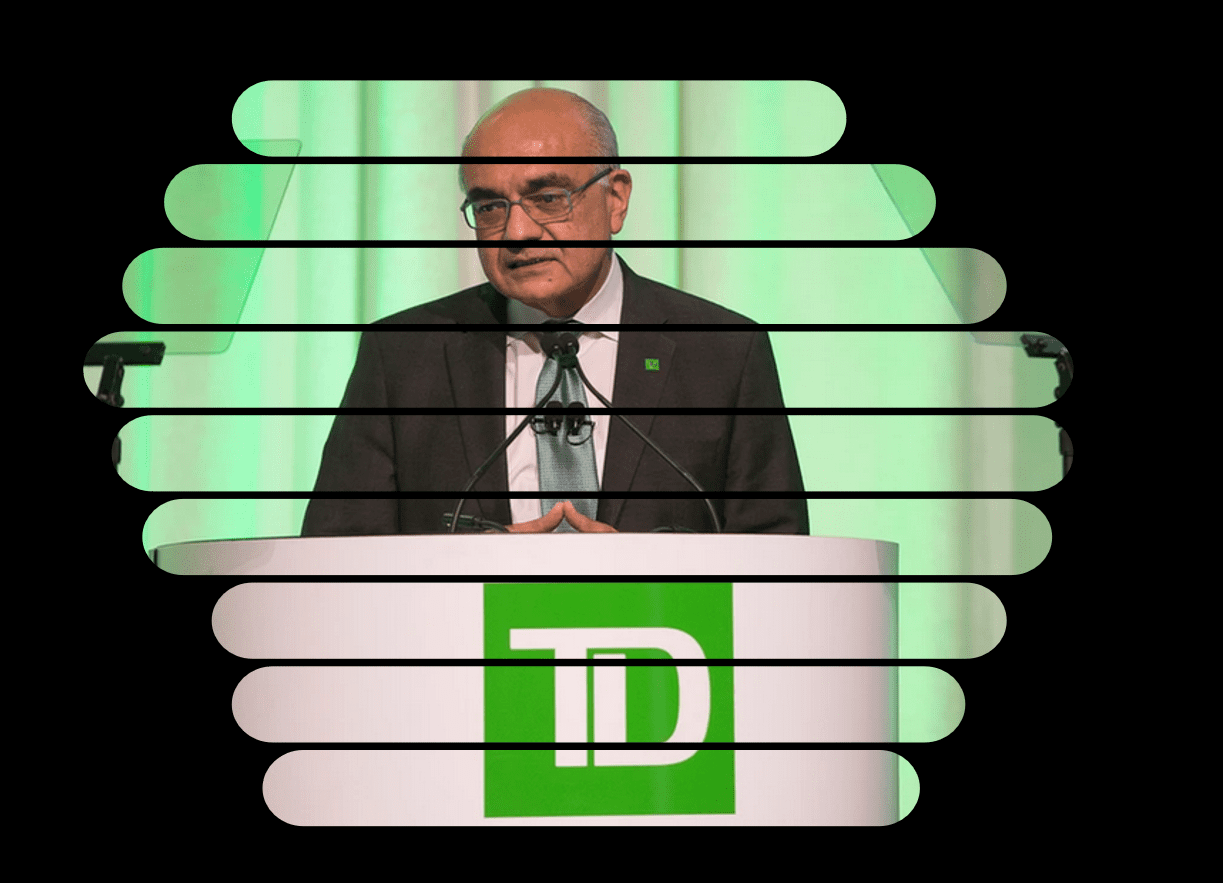
The Canadian TD Bank is currently under intense scrutiny from the U.S. Department of Justice (DOJ) over allegations of involvement in a massive money laundering and drug trafficking scheme. This investigation has raised significant concerns about the efficacy of Canada’s banking regulations in preventing financial crimes. During the bank’s Q2 earnings call, CEO Bharat Masrani acknowledged multiple failures in preventing criminal activities, CBC writer Jenna Benchetrit reports.
The investigation into TD Bank is related to a 2021 criminal case that laundered at least $653 million in proceeds from illegal drugs. The U.S. DOJ’s probe highlights that Chinese drug traffickers allegedly laundered at least $653 million through TD Bank, with accusations of TD employees being bribed to facilitate these transactions. While TD Bank has not directly addressed the allegations, it admitted that its anti-money laundering measures were inadequate.
Masrani informed shareholders that the bank did not effectively monitor, detect, or report suspicious activities, leading to severe consequences. He confirmed that TD Bank has been cooperating with authorities and has taken disciplinary actions, including employee terminations.
In response to these issues, TD Bank has set aside $450 million to address fines and is preparing for additional penalties. The ongoing investigations have also impacted the bank’s strategic moves, such as its attempt to acquire U.S. bank First Horizon, which was derailed by the DOJ probe. Despite these setbacks, TD Bank plans to expand its operations in the U.S., with $500 million allocated to improve its anti-money laundering program.
TD Bank recently paid a $9 million fine to Fintrac for failing to report suspicious transactions. However, experts like Susan Côté-Freeman from Transparency International Canada argue that such fines are insufficient to prevent financial misconduct. Matthew Sooy, a professor at Western University’s Ivey Business School, emphasized that fines alone are ineffective, as banks may view them as a minor cost compared to potential profits from illicit activities.
The ongoing investigations and fines have impacted TD Bank’s stock and raised concerns among shareholders and regulators. As TD Bank works to enhance its risk management practices, the broader issue of regulatory disparities between the U.S. and Canada remains a significant challenge in the fight against financial crime.