



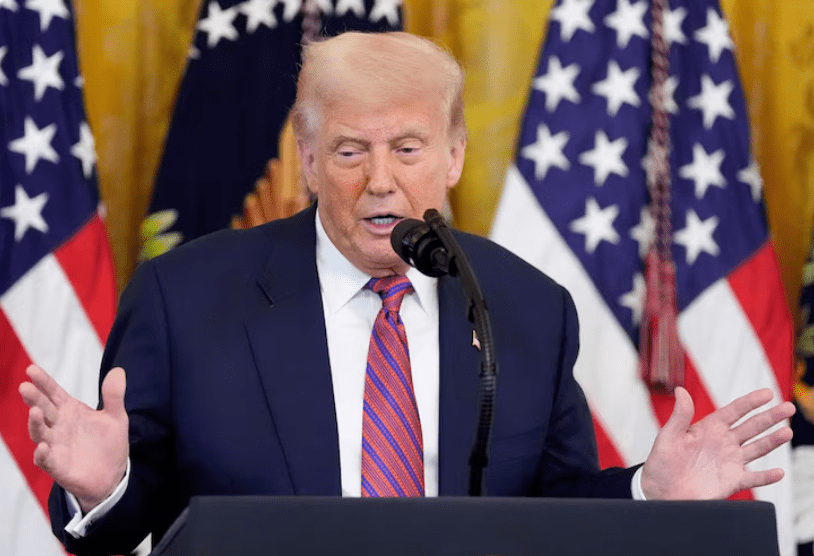
Crypto regulation continues. The passage of the GENIUS Act in the US and the implementation of the MiCA (Markets in Crypto-Assets) Regulation in the EU represent landmark shifts in the regulatory landscape for stablecoins and crypto assets. GENIUS and MiCA seek to provide clarity, consumer protection, and systemic stability in the digital assets market, but differ in focus, reach, and operational detail.
GENIUS Act (US): Key Features and Implications
Main Provisions
- Exclusive Issuer Approval: Only US-based, federally or state-approved entities, or foreign issuers regulated via a recognized regime, may issue payment stablecoins in the US.
- 1:1 Reserve Backing: Stablecoins must be backed by cash or short-term US Treasuries, with mandated monthly, publicly disclosed reserve reports verified by independent auditors.
- Federal and State Coordination: Aligns federal and state frameworks to avoid regulatory fragmentation and ensure fair competition.
- Robust Consumer Protection: Prioritizes stablecoin holder claims in insolvency, enforces strict marketing restrictions, and mandates compliance with AML/Sanctions laws.
- Operational Oversight: Requires issuer approval based on financial health, background checks, and the ability to comply with operational, reporting, and transparency requirements.
- Sunset Period for Non-Approved Coins: Stablecoins not licensed under GENIUS may not be offered to US users three years after full enactment. Scenario if they fail to qualify: After July 2028 US exchanges and brokers must delist non‑permitted coins for US persons; collateral eligibility at broker‑dealers and clearing houses would also disappear.
Impact for the US and Global Crypto Scene
- Regulatory Clarity and Mainstreaming: Provides the long-demanded regulatory certainty and elevates the legitimacy of the US stablecoin market. This is expected to stimulate domestic and foreign investment, drive innovation, and reinforce the US dollar’s digital dominance.
- Market Leadership and Standard-Setting: Encourages the migration of crypto industry efforts into the US and incentivizes global issuers to align with US standards.
- Institutionalization and Competition: Sets high compliance bars, favoring well-capitalized, transparent players and potentially weeding out less transparent, offshore issuers4.
MiCA Regulation (EU): Key Features and Implications
Main Provisions
- Broad Asset Coverage: Encompasses nearly all classes of crypto assets—including stablecoins, utility tokens, and security tokens—not previously subject to financial regulation.
- Pan-European Licensing: Introduces a unified licensing and passporting regime for all crypto-asset service providers (CASPs), fostering cross-border operations within the entire EU.
- Prudential and Conduct Requirements: Imposes capital, disclosure, transparency, and conduct rules on issuers and service providers.
- Consumer and Market Abuse Protection: Implements frameworks to guard against insider trading, market manipulation, and enforce clear anti-money laundering measures.
Table: GENIUS Act vs. MiCA Regulation
| Feature | GENIUS Act (US, July 18 2025) | MiCA (EU, key provisions in force since 30 June 2024) |
|---|---|---|
| Primary focus | Payment stablecoins only | Broad: all crypto‑assets (EMTs, ARTs, utility tokens, CASPs) |
| Regulators | Treasury‑led Stablecoin Certification Review Committee (Treasury + Fed + FDIC); OCC is licensing gate‑keeper | National competent authorities plus EBA/ESMA coordination |
| Who may issue | • US IDI subsidiaries • “Federal‑qualified” non‑banks approved by OCC • State‑qualified issuers (< $10 bn cap) whose state regime is “substantially similar” | • Credit or e‑money institutions for EMTs • Any authorised issuer for ARTs or other tokens |
| Reserves | 1 : 1 cash or T‑bills only; no rehypothecation; segregated | 1 : 1 “low‑risk, highly liquid” assets; segregation; investment restrictions |
| Disclosures | Monthly public reserve attestations; annual audit > $50 bn float (Source: Gibson Dunn) | White‑paper + ongoing reports; EMT/ART issuers must publish quarterly reserve data (Sources: ESMAlegalnodes.com |
| Geographic reach | Extraterritorial: DASPs worldwide must delist non‑compliant coins for US customers after 3 yrs (Source: Gibson Dunn) | Offers into the EU trigger MiCA even for foreign issuers |
| Foreign issuers | May register with OCC if home regime deemed “comparable”, hold US reserves, obey seizure orders (Source: Gibson Dunn) | Need EU establishment & authorisation; significant non‑EUR EMTs face extra caps (Art 22, 58) (Source: eba.europa.eu) |
| Consumer‑protection levers | Ban on interest/yield, marketing restrictions, OCC enforcement, BSA/AML designation (Sources: The ,White House, Gibson Dunn) | Market‑abuse prohibitions, passported licensing, “grand‑fathering” to 1 July 2026 (Source: ESMAdechert.com) |
| Timeline | Effective earlier of 18 months or 120 days after final rules; 3‑year safe‑harbour for existing coins (Source: Gibson Dunn) | EMT/ART rules live 30 Jun 2024; full MiCA live 30 Dec 2024 |
Impact on Leading Stablecoins: USDT and USDC
USDC (Circle)
- GENIUS Compliance: Circle’s USDC is already largely compliant—
- Maintains 1:1 fiat/Treasury backing,
- Issues regular, public reserve attestations,
- Operates as a regulated US entity.
- Advantage: GENIUS is seen as a market tailwind for Circle; it can continue expanding institutionally and benefit from regulatory preference and trust.
USDT (Tether)
- Offshore Legacy: Tether has historically operated outside US regulatory frameworks, with less disclosure and limited US oversight.
- GENIUS Adaptation:
- Under the foreign issuer clause, Tether is now authorized to issue USDT in the US, provided it complies with reserve, audit, and transparency requirements,
- It is reportedly launching a US-specific, compliant stablecoin while keeping global operations distinct.
- Limitations:
- Tether must adhere to monthly audits, US reserve requirements, and OCC/US Treasury oversight for its US-issued coin—failure to comply would force US delisting.
- Markets outside the US may continue using the traditional USDT, but US access to unapproved stablecoins will be phased out within three years.
| Token | Current posture | GENIUS compatibility | Key hurdles / action items |
|---|---|---|---|
| USDC (Circle) | US entity; monthly Big‑4 attestations; >90 % cash + T‑bills reserves | Circle says it already meets core tests and will apply for OCC licence on “day 1” | • Obtain OCC approval or partner with IDI • Segregate reserves at Fed‑insured banks • Cease promotional yields on partner apps |
| USDT (Tether) | BVI‑based; claims 82 % T‑bill, plus gold & BTC backing | CEO pledges to “fully align” and seek foreign‑issuer registration | • Trim non‑cash assets (gold, BTC) from reserve mix • Hold liquidity in US custodians • Satisfy OCC/FinCEN AML audits • Comply with seizure‑order tech (“freeze or burn”) |
Conclusion: What the GENIUS Act Means
- For the US: The Act aligns regulations, enhances consumer and financial stability, and positions the US as a standard-setter in digital currencies. It makes the US dollar the anchor for future digital finance and invites broader institutional adoption.
- For the Global Crypto Scene: It pressures offshore issuers toward higher standards, supports convergence in regulatory best practices, and may shift global user preference toward US-compliant coins.
- For Stablecoin Issuers: USDC is well-positioned for growth, while USDT and similar tokens face major compliance hurdles but can pivot to maintain US market access if they adapt quickly and transparently.
Both GENIUS and MiCA accelerate the transition from ad-hoc crypto regulation to comprehensive oversight, fostering a more secure and credible digital asset environment in the world’s two largest economic zones.