



A forensic traffic and financial intelligence analysis of Dream Finance Group—through its operating brands CoinsPaid and CryptoProcessing—reveals an alarming chasm between the group’s loudly proclaimed transaction volumes/revenue and its digital footprint. The mismatch between claimed figures and observable web and API traffic not only defies industry logic but raises urgent questions about the veracity of the underlying business, the reliability of its financial reporting, and the effectiveness of compliance oversight in the Estonian crypto sector.
Key Facts: The Dream Finance Group Claims
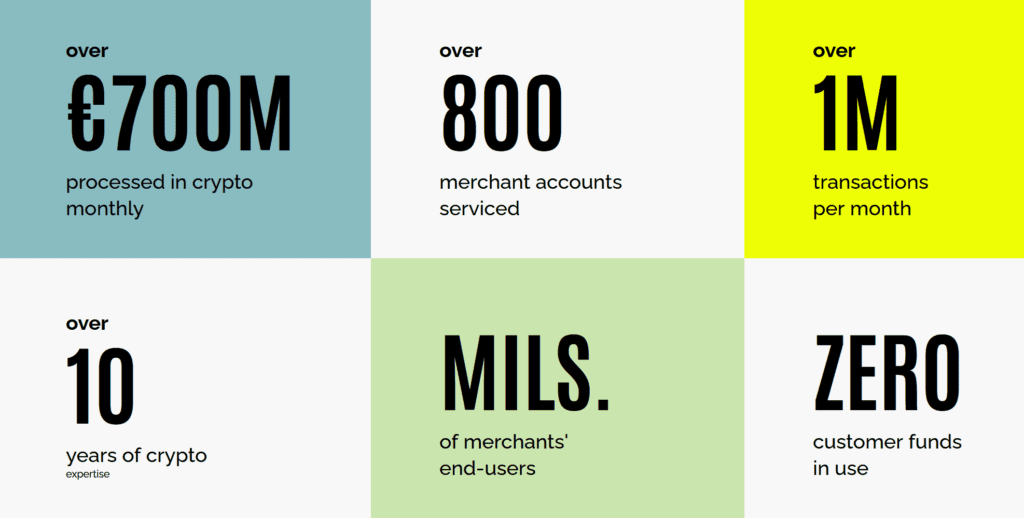
- CoinsPaid and CryptoProcessing market themselves as top global crypto processors, claiming a monthly volume of €700–800 million and over 800,000 transactions per month.
- CoinsPaid’s audited 2024 revenue: €32.4 million, with a >51% profit margin—a figure only reconcilable with implausibly low fees or grossly exaggerated transaction claims.
- Similarweb (October 2025): coinsPaid.com <60,000 visitors; CryptoProcessing.com <30,000 visitors—and crucially: near-zero relevant traffic to any API or merchant dashboard domains.
Read our Dream Finance financial analysis 2024 here.
Traffic Intelligence Analysis: All Plausible Hypotheses—And Their Fatal Weaknesses
Hypothesis 1: B2B White-Label/“Super-Merchant” Concentration
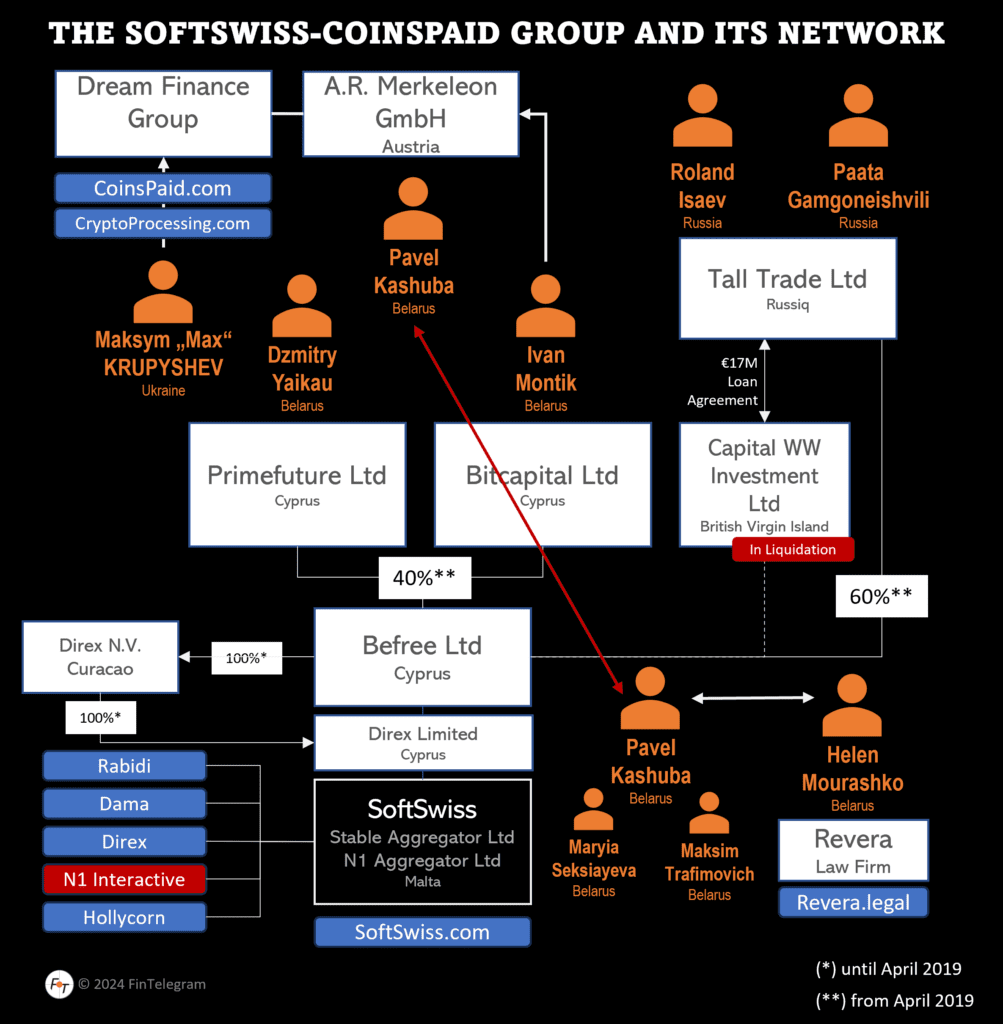
- Architecture: Most Dream Finance transaction volume allegedly comes from large “super-merchants” (e.g., the SoftSwiss iGaming platform), aggregating activity from hundreds of downstream casino brands.
- Supporting Facts:
- CoinsPaid’s founders and SoftSwiss (incubated together; overlapping beneficial owners around the Belarusian Ivan Montik).
- SoftSwiss powers 200+ live casinos; CoinsPaid is deeply embedded as payment rail.
- Casino operators and players never visit CoinsPaid; all tech sits behind iGaming provider dashboards.
- Critical Gaps:
- Even in a pure aggregator model, SoftSwiss and other “super-merchants” would still require direct, regular access to CoinsPaid’s merchant API dashboards for settlement, reconciliation, compliance, support, and key management. Near-zero observed API/dashboard traffic is irreconcilable with actual operations.
Hypothesis 2: API-Only Processing Is Invisible to Web Analytics
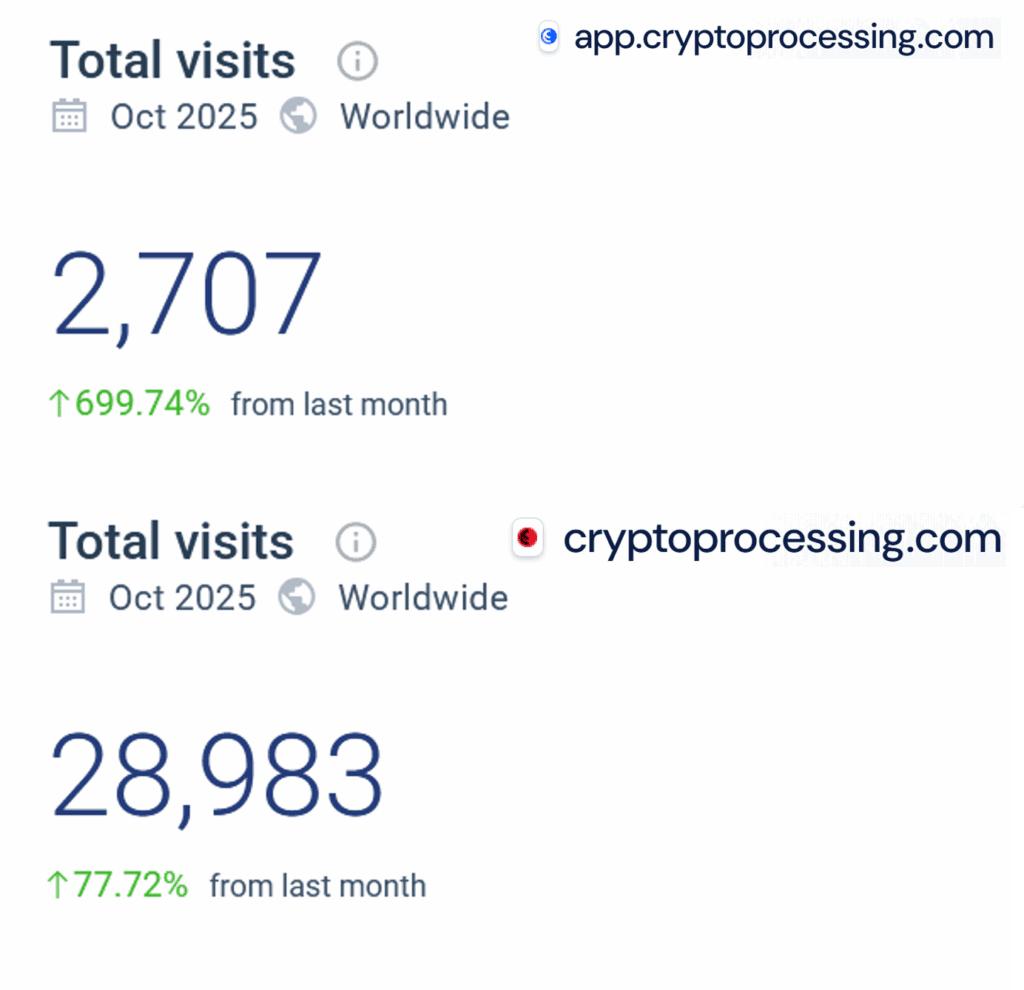
- Argument: Payment APIs communicate “server-to-server,” so merchants and their users generate almost no browser-based sessions for Similarweb/traffic analytics platforms to measure.
- Critical Weakness:
- B2B processors like Stripe, Adyen, and Coinbase handle hundreds of millions in server-to-server payments, yet their API portals, documentation, and management dashboards draw significant measurable traffic from merchant finance teams and developers.
- Even a handful of large clients, if real, would generate hundreds to thousands of monthly dashboard admin sessions. Near-zero is not possible in a functioning payments business.
Hypothesis 3: Volume Claims Are Inflated or Fabricated
- Direct Evidence: When legitimate processors scale, both transactional and admin/support-facing digital activity grow proportionally. Direct and white-label models alike require operational oversight and reconciliation.
- Financial Statement Red Flag:
- At industry-standard fees (0.5–2%), Dream Finance’s claimed €8.4 billion annual processing would yield €42–168 million in revenue.
- Actual reported: €32.4 million (2024). Revenue “gap” at 1% fee: missing €51.6 million (61% shortfall).
- Reported fees average just 0.39%—vastly lower than market norms, only plausible with extremely concentrated, below-market business, or “creative accounting”.
- Conclusion: The most parsimonious explanation is that claimed volumes are inflated—by 62–81% depending on the assumed industry fee level.
Comparative API/Web Traffic Analysis: Why Zero API Traffic is Damning
Stripe (legitimate leader):
- $1T annual processing, 88.6M monthly visits
- Traffic per €1B processed: ~88,600 visitors
CoinsPaid (claimed):
- €8.4B annual/€700M monthly, 90,000 total visitors to both main sites, zero dashboard/API traffic
- Traffic per €1B processed: ~10,714 visitors (8.3x less traffic per billion than Stripe)
- API/admin traffic: Zero. Expected minimum (by merchant/“super-merchant” support needs): 200–12,500+ admin sessions monthly—actual: zero.
Binance/Coinbase:
- Both process billions daily; API/developer documentation and dashboard traffic confirm busy merchant/client admin activity at scale.
Bottom Line: Dream Finance’s API and dashboard touchpoints show not low—but literally zero—digital activity. Without this, reconciliation, compliance, and financial operations are impossible at any volume, let alone €8+ billion yearly.
Why This Discrepancy is Highly Questionable—and Damning—from a Compliance Perspective
- Impossible operational footprint: No observable merchant/admin traffic = no real merchant operations.
- Unverifiable volumes: No public audit trail, no on-chain reconciliation, no usage evidence.
- Financial statement mismatch: Actual fees/revenue imply the real volumes are a fraction of what management claims.
- Complex group structure & shared ownership: Cross-ownership between CoinsPaid, SoftSwiss, and others enables circular self-validation and potential intra-group wash trading.
- Regulatory arbitrage risk: Light-touch Estonian VASP regime, with minimal scrutiny for claimed operational metrics.
- Historical warning signs: Major security breaches, heavy 2023 losses, and industry allegations reinforce doubts about operational transparency and governance.
- Investor/partner deception risk: Market-facing misstatements undermine integrity with banks, business partners, and regulators—the core of compliance failure.
Simulated Financial Comparison—2024 Actuals vs. Stated Claims
| Metric | Public Claim | Actual 2024 Statement | Implied Discrepancy |
|---|---|---|---|
| Monthly processing volume | €700–800 million | €700M (base for model) | — |
| Annualized volume | €8.4 billion | — | — |
| At 1% processor fee | €84 million revenue | €32.4 million revenue | €51.6 million “missing” |
| Actual implied fee | 0.386% | — | 61% lower than normal |
| App dashboard sessions (expected) | 200–12,500+ | 0 | Dashboard/admin “ghost town” |
Conclusion & Whistleblower Call
No real payment operation at scale can exist without back-office API and merchant dashboard access. The complete absence of this activity—despite massive public claims—signals either a fraudulent shell, gross misrepresentation, or both. This discrepancy is not a technical quirk or analytic artifact; it is a fundamental, structural compliance failure and a likely act of deception.
**FinTelegram urgently calls on anyone with inside knowledge of Dream Finance Group, CoinsPaid, or CryptoProcessing—**from employees to contractors to partners—to come forward, confidentially and securely, via the Whistle42 platform. Whistleblowers are the essential bulwark against systemic abuse in the crypto sector. The truth must surface.
For confidential submissions and further information relating to Dream Finance, CoinsPaid, CryptoProcessing, and their affiliates, contact FinTelegram and our whistleblower platform partner at Whistle42.
Only with transparency and insider cooperation can the true scale—and nature—of the Dream Finance operation be brought to light.
This report is part of FinTelegram’s ongoing investigation series into high-risk crypto payment processors and digital asset compliance failures in the EU and beyond. Follow our updates for further revelations on this developing compliance scandalandal.