


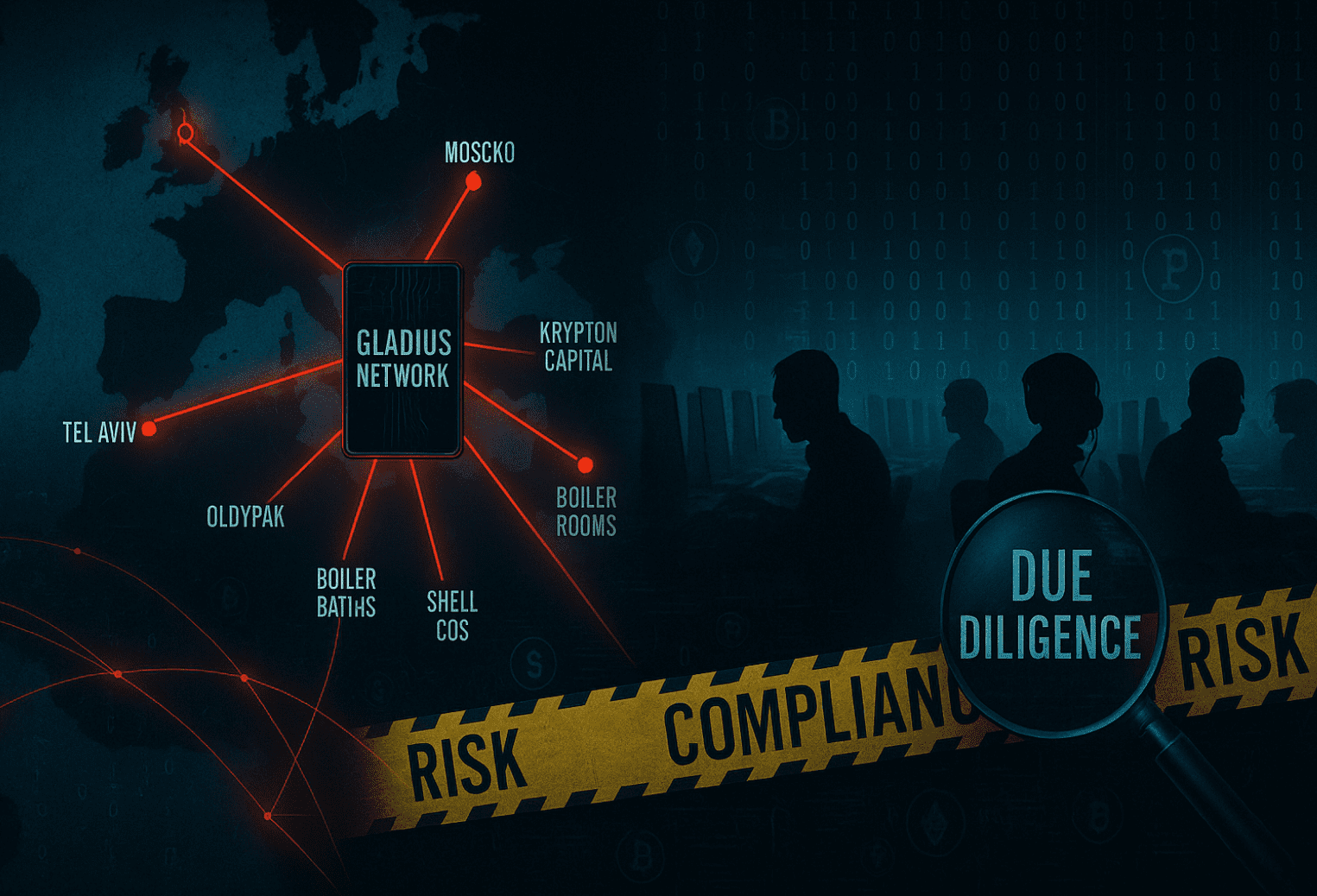
A CryptoTicker report resurfaced concerns about PR-distribution brands Chainwire/FinanceWire/MediaFuse and their CEO/co-founder Nadav Dakner, pointing back to the Gladius Network ICO case and alleged ties that ripple into the Gery Shalon–Vladimir Smirnov–Gal Barak cyber-fraud complex. We review the record, separate allegations from facts, and spell out the compliance red flags.
Read our report on the Gladius Network case here.
Key Points
- CryptoTicker post: The article revisits Dakner’s role around Gladius and mentions Chainwire/FinanceWire/MediaFuse (Source: CryptoTicker)
- Dakner’s positions: Public pages list him as co-founder/CEO of Chainwire and MediaFuse (brands include Chainwire, FinanceWire, CyberNewsWire, GamingWire) (Source: Chainwire).
- Gladius enforcement: The U.S. SEC charged Gladius Network LLC for an unregistered ICO (no monetary penalty due to self-reporting; promised registration/rescission). Gladius later shut down; investors complained about refunds (Source: sec.gov)
- Who introduced whom: In Gladius v. Krypton (2018), the complaint says Dakner (InboundJunction) introduced Gladius to Krypton Capital (Ilan Tzorya) (Source: morrisoncohen.com).
- Smirnov/Oldypak angle: The same filing alleges BTC “advance payments” came via Vladimir Smirnov/Oldypak Capital, not Krypton, and references possible involvement of Gery Shalon. Allegations, not adjudicated in that suit (Source: Gladius lawsuit).
- Context—proven cases:
Short Narrative
CryptoTicker’s new report re-opened scrutiny of Nadav Dakner—now the public face of crypto PR pipes Chainwire/FinanceWire/MediaFuse—by revisiting Gladius Network, one of the SEC’s early ICO actions. The post (with an explicit disclaimer that it doesn’t reflect MEXC’s views) highlights how the no-penalty Gladius settlement relied on cooperation and a 90-day Form 10 commitment—deadlines later missed before the project shut down.
Extended Analysis
Dakner’s posture and Gladius proximity. Chainwire’s own “About” page lists Dakner as co-founder/CEO; MediaFuse repeats this across its brand family. The Gladius whitepaper listed InboundJunction as a marketing/PR partner, and court records state Dakner introduced Gladius to Krypton Capital (Ilan Tzorya)—facts that place him close to the funding and comms stack around the ICO. Proximity is not culpability; however, for risk teams it’s a relationship risk that warrants enhanced due diligence.
The Oldypak/Smirnov track.
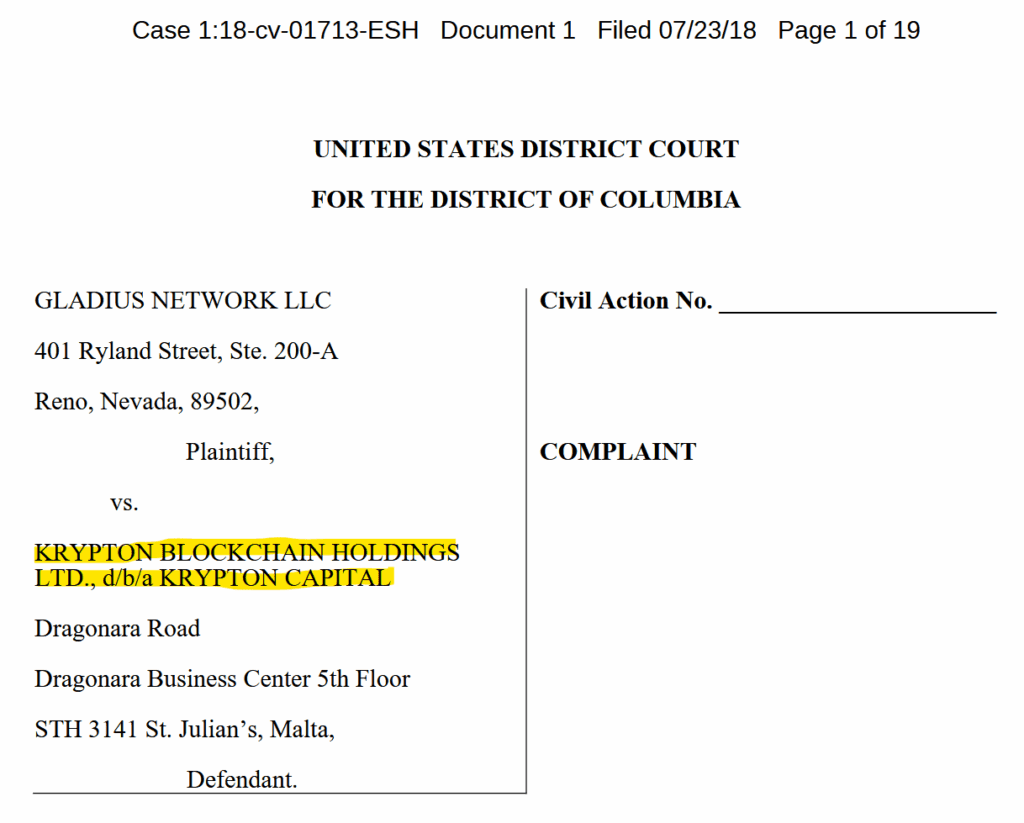
In Gladius v. Krypton, plaintiffs alleged that BTC advances came not from Krypton but from Vladimir Smirnov (via Oldypak Capital), and referenced Gery Shalon in that context—again, allegations in civil pleadings, not criminal findings in that case. Even so, these filings align with separate law-enforcement narratives that portray Shalon and associates as running sprawling cyber-financial schemes in the 2010s.
The Cybercrime Mastermind Shalon
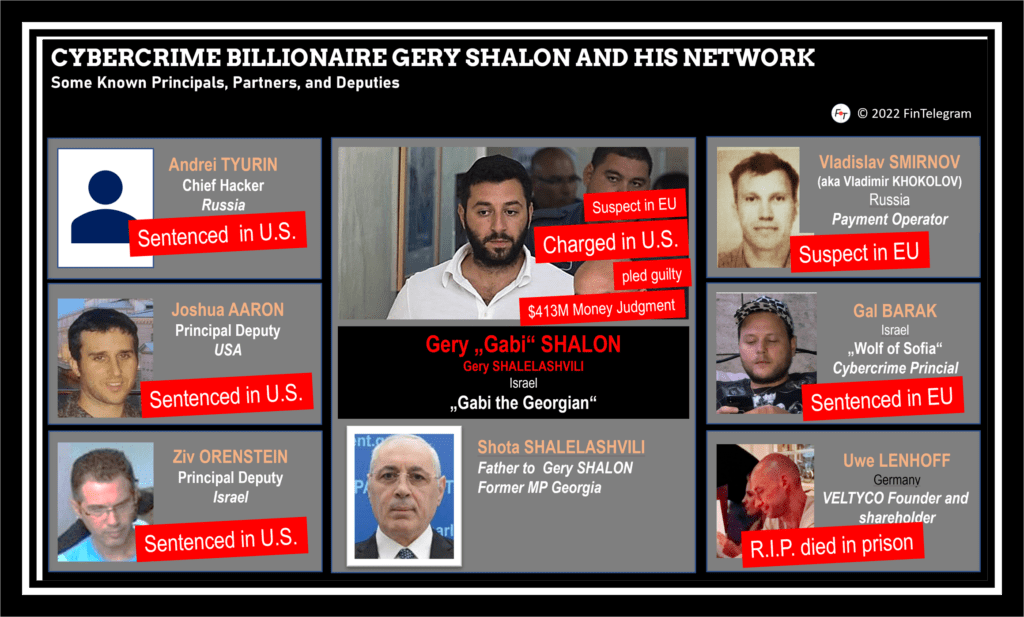
Georgian-born Israeli national Gery Shalon has been identified by U.S. prosecutors and investigative reporting as a central figure in major cyber-financial crime cases over the last decade. Beyond the well-publicized intrusions into U.S. financial institutions and financial media, open-source records and court filings link Shalon to extensive money-laundering infrastructures and online-gambling enterprises.
For years, Shalon’s close associate was Vladimir Smirnov of Russia. Smirnov’s vehicle Oldypak (often referenced as Oldypak Capital) has been cited in civil pleadings and investigative reports as a conduit for funding and investments, including in matters touching the Gladius Network. Oldypak has also been reported as an investor in Telegram’s ICO. While these references establish proximity and financial flows, several points remain allegations drawn from civil proceedings and media, not criminal judgments.
Read our reports on Gery Shalon here.
Between 2016 and 2019, Shalon and Smirnov were repeatedly linked in reporting to the large-scale boiler-room operations run through E&G Bulgaria, a company fronted by Gal Barak. The schemes—binary options, CFDs, and later crypto—victimized tens of thousands globally. Barak, the public face of E&G Bulgaria, was convicted in 2020 for investment fraud and money laundering. Some court records and investigative materials characterize Shalon as a driving force behind parts of this ecosystem; however, those characterizations have not been adjudicated as findings of fact against him in that specific context.
Shalon was arrested in 2015 in the United States and subsequently placed under house arrest. He later pleaded guilty and cooperated with U.S. authorities pursuant to a plea agreement, a process widely reported to have supported additional arrests and convictions across the network. According to insider accounts and documents referenced in court records, Shalon subsequently resided in Israel without further imprisonment. FinTelegram has chronicled these developments and the broader network repeatedly, including its coverage of Gladius and adjacent actors.
Today, the E&G Bulgaria complex is regarded as one of the largest cyber-investment-fraud cases in Europe. Entities such as Krypton Capital and Gladius Network appear in the broader perimeter of this milieu through introductions, funding flows, or service relationships cited in civil filings and investigative reporting. Unless specifically grounded in criminal judgments, references above should be understood as allegations requiring independent corroboration.
Call for Information
FinTelegram invites insiders, former employees, investors, and service providers with first-hand documents (term sheets, wallet evidence, contracts, PR invoices) regarding Gladius, Krypton/Oldypak, Chainwire/FinanceWire/MediaFuse, Gery Shalon, Vladimir Smirnov, or Gal Barak to submit via Whistle42 (confidential).