

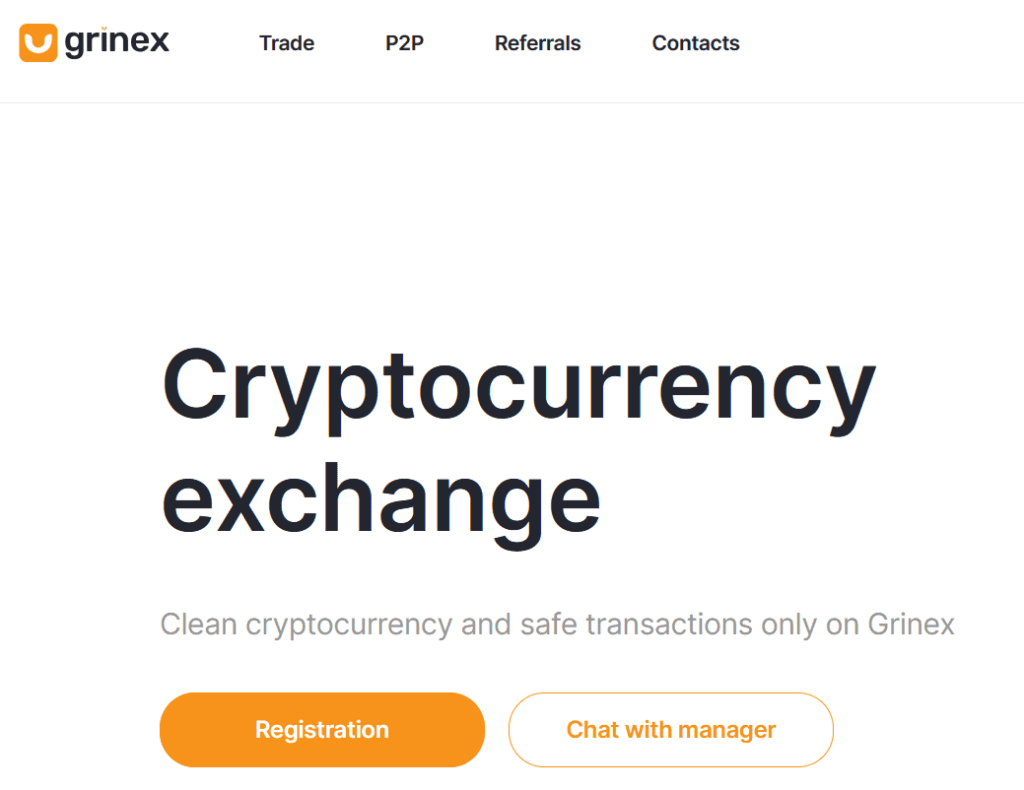
Sanctioned Russian crypto exchange Garantex has allegedly relaunched under the brand Grinex (website), according to a March 2025 report by Swiss blockchain analytics firm Global Ledger. The rebranded platform is linked to Garantex through on-chain and off-chain evidence, including liquidity transfers, shared infrastructure, and operational patterns. Here is our investor briefing.
Financial Transfers and Laundering Tactics
- $60M Stablecoin Laundering: Garantex laundered over $60 million in ruble-backed A7A5 stablecoins using burning and reminting mechanisms to erase transaction histories. Funds were funneled to Grinex, enabling the new platform to operate with “clean” records.
- Rapid Liquidity Shift: By March 14, Grinex processed $29M in incoming transfers, with monthly trade volumes exceeding $68M. Systematic fund movements via one-time-use wallets preceded deposits into Grinex addresses.
- Customer Continuity: Users confirmed previously blocked Garantex funds appeared in Grinex accounts. A Grinex staff member admitted customers physically visited Garantex offices to transfer funds.
Read our Garantex reports here.
On Feb 8, 2025, Kyrgyz company Old Vector launched the ruble-backed stablecoin A7A5 (A7A5 ru) for Promsvyazbank’s cross-border payment platform A7. Issued under Kyrgyzstan’s new crypto regulations and backed by the national government, A7A5 was listed on Garantex, along with a lesser-known exchange called BiFinance. On March 11, in the comments under a post in the official A7A5 RU Telegram channel (A7A5 ru), the stablecoin’s creators confirmed that the token is now available on Grinex.
Operational and Structural Links
- Shared Infrastructure: Grinex utilizes Garantex’s former technical setup, including near-identical website interfaces and promotional materials claiming Garantex’s founders created Grinex as a sanctions workaround.
- On-Chain Proof: Global Ledger identified direct liquidity transfers from Garantex wallets to Grinex, with 2.5 billion A7A5 stablecoins moved between February and March 2025.
- Regulatory Arbitrage: Grinex is marketed to circumvent sanctions, leveraging sanctioned Russian banks to serve local users.
Enforcement Actions and Challenges
- Tether Freezes: Tether blocked $27M in Garantex-linked assets on March 6, 2025, followed by domain seizures and $26M in frozen funds.
- Persistent Operations: Despite sanctions from the U.S. (2022) and EU (February 2025), Garantex continued operating until its March 6 shutdown, highlighting gaps in cross-border enforcement.
- On March 11, 2025, authorities in India arrested the alleged co-founder of Garantex, the Lithuanian national Aleksej Besciokov, 46. He was apprehended while vacationing on the coast of India with his family.
Implications for Investors and Regulators
- Sanction Evasion Risks: Grinex’s emergence underscores the limitations of unilateral sanctions in crypto markets, particularly when entities exploit stablecoins and jurisdictional arbitrage.
- Compliance Vigilance: Platforms must monitor for indirect exposure to rebranded entities, especially via shared wallets or A7A5 transactions.
- Regulatory Coordination: The case amplifies calls for global cooperation to track cross-chain laundering and enforce synchronized sanctions.
Outlook
Grinex’s rapid ascent signals the resilience of illicit crypto networks. While enforcement agencies have disrupted Garantex’s operations, the rebranding tactic complicates long-term oversight. FinTelegram will monitor Grinex’s activity for potential ties to ransomware, darknet markets, or other sanctioned entities.