



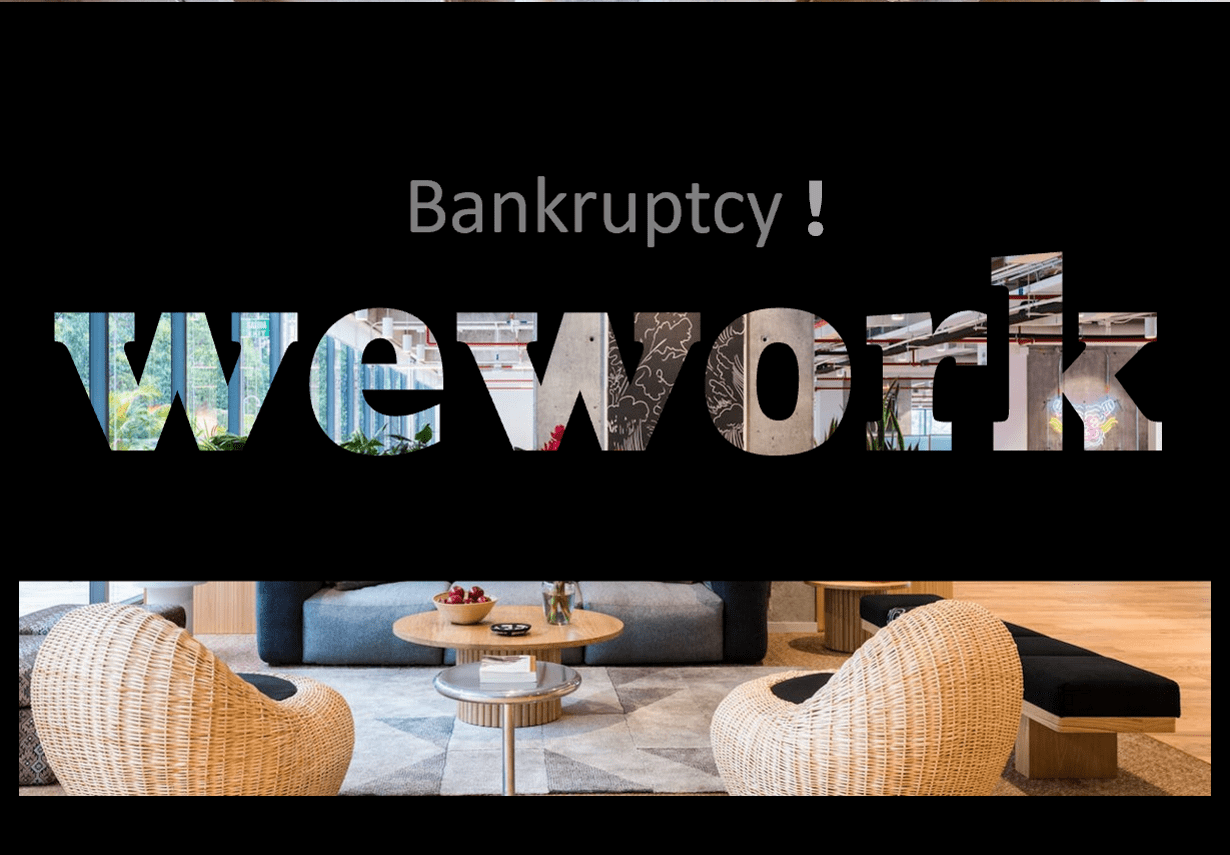
In a move anticipated by FinTelegram, WeWork, the once high-flying office-sharing mogul, has officially filed for Chapter 11 bankruptcy protection. The filing marks a significant turn in the company’s fortunes since its peak valuation of $47 billion in 2019 during a funding round spearheaded by SoftBank. Adam Neumann, the company’s former CEO and co-founder, described the bankruptcy filing as “disappointing.”
The Decline from a Failed IPO to Bankruptcy Concerns
WeWork‘s journey to this point has been fraught with challenges. After an unsuccessful attempt to go public five years ago, the company’s value plummeted. The prospect of bankruptcy was publicly acknowledged in an August regulatory filing, underscoring the severity of its financial strain.
The company’s downfall has been one of the most dramatic collapses in U.S. corporate history. The COVID-19 pandemic exacerbated WeWork’s difficulties as abrupt lease terminations became common, and the subsequent economic downturn forced more clients to shut their doors.
Strategic Moves Amidst Bankruptcy Proceedings
CEO David Tolley expressed gratitude for the backing of financial stakeholders and outlined the company’s intentions to streamline operations by cutting “non-operational” leases. The current bankruptcy filing encompasses only WeWork‘s U.S. and Canadian locations, with reported liabilities ranging from $10 billion to $50 billion.
Despite the bankruptcy announcement, WeWork has been renegotiating leases, reaffirming its intention to persevere. The company holds close to $16 billion in long-term lease commitments and operates 777 locations worldwide, as per its regulatory filings.
Attempts at Recovery and Market Presence
WeWork‘s public debut in 2021 through a special purpose acquisition company did little to salvage its diminishing market value, which has seen a staggering 98% drop. A drastic 1-for-40 reverse stock split was enacted in mid-August to lift its share price above the $1 threshold, a move critical for maintaining its NYSE listing. Before trading was halted on Monday, shares had dwindled to about 83 cents, a stark contrast from previous lows of around 10 cents.