



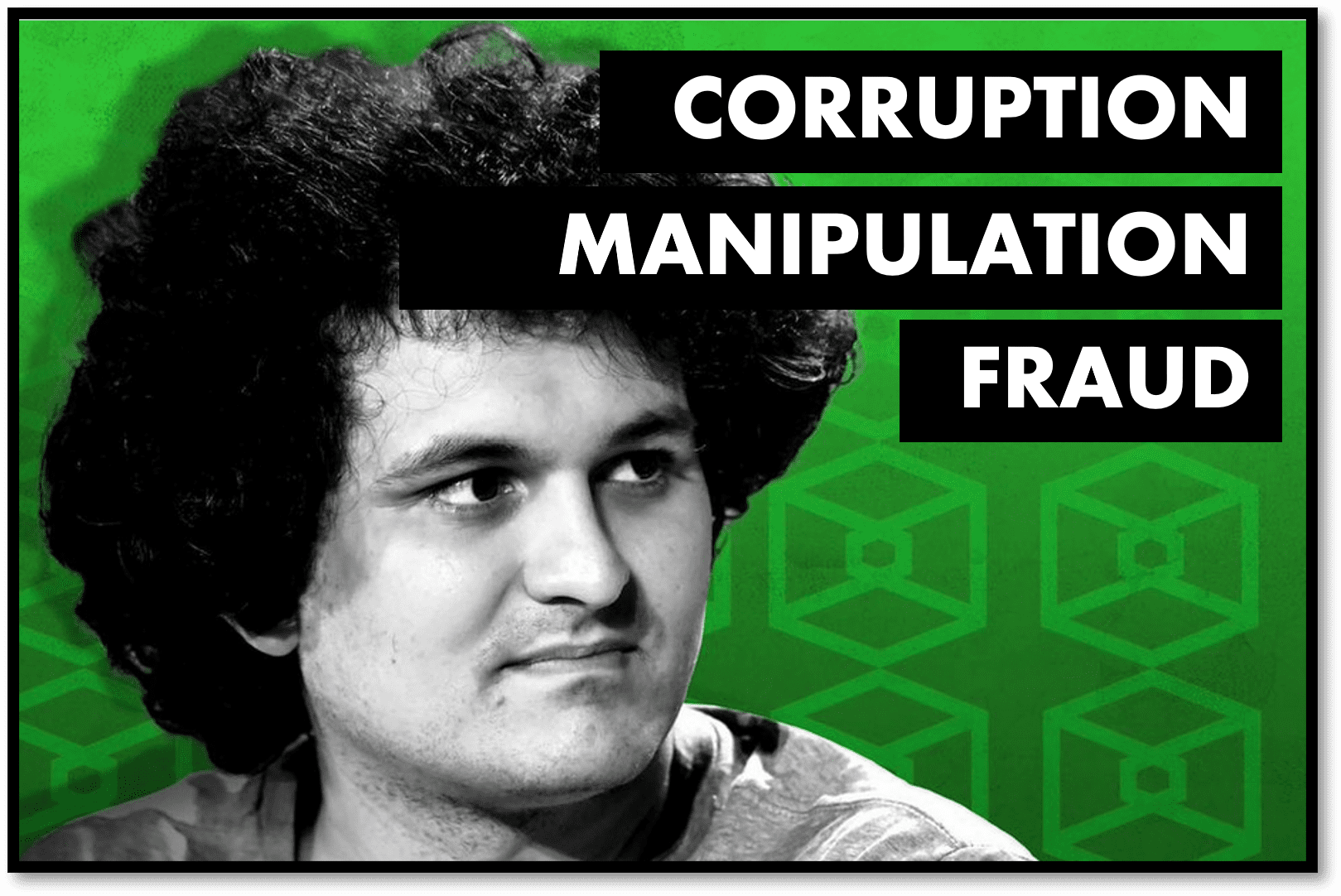
Sam Bankman-Fried (SBF) had been under house arrest at his parent’s home as he awaited trial on charges stemming from the collapse of his crypto company, FTX. However, the 31-year-old founder of the now-defunct crypto exchange FTX was sent to jail after a federal judge in New York revoked his bail. The decision came after accusations that SBF attempted to influence witnesses for his upcoming trial in October 2023.
The U.S. prosecutors argued that Bankman-Fried had twice tried to interfere with witnesses in the case, including by giving documents to reporters of The Times. “He has gone up to the line over and over again, and I am going to revoke bail,” Judge Kaplan said from the bench.
Judge Kaplan said he was open to the possibility of transferring SBF to a facility that would offer more consistent internet access. However, the location is “not on anyone’s list of five-star facilities,” Judge Kaplan stated.
After the order was read aloud, two U.S. marshals had SBF remove his tie and navy suit jacket and handcuffed him.
Key Points Of The FTX Case:
- Bail Revoked: SBF had been under house arrest since his arrest in December on fraud charges related to FTX’s collapse. Judge Lewis A. Kaplan revoked his bail, citing attempts to interfere with witnesses, including sharing documents with reporters.
- FTX’s Collapse: FTX was one of the world’s largest cryptocurrency exchanges before filing for bankruptcy after a run on deposits. The collapse led to an $8 billion shortfall and investigations by the Justice Department and the S.E.C.
- Charges Against SBF: SBF faces seven charges, including accusations of defrauding customers and lenders of FTX. He was arrested in the Bahamas, where FTX was based, after the company collapsed in November 2022. SBF was charged with abusing customers’ deposits to finance lavish real estate purchases, political donations and charitable initiatives. He was extradited to the United States and released on highly restrictive bail conditions that required him to wear an ankle monitor and confined him to his parents’ house. He has pleaded not guilty.
- Attempts to Influence Witnesses: Prosecutors argued that SBF tried to intimidate a cooperating executive, Caroline Ellison, by casting her negatively before his trial. An article of The Times’s article about Ellison included excerpts from private Google documents addressed to SBF. Prosecutors argued that the sensitive nature of the writings showed that SBF was seeking to intimidate and discredit his former girlfriend. He also attempted to contact a former FTX employee, actions seen as attempts to influence witnesses.
- Background of SBF: Once a golden boy of the crypto industry, SBF was known for his charitable commitments and political donations. His arrest and subsequent legal battles mark a stunning fall from grace.
- Concerns Over Detention Conditions: SBF‘s lawyers expressed concerns about the conditions at the Brooklyn detention center, arguing that it would hinder trial preparation. Judge Kaplan is considering transferring SBF to a facility with better internet access.
- Impact on the Crypto Industry: The collapse of FTX and the legal battle surrounding SBF have sent shockwaves through the crypto industry, shedding light on risky trading options and the volatility of the market.
- Media and First Amendment Concerns: The case has also raised First Amendment issues, with The Times and others submitting court filings expressing concerns about a temporary gag order imposed on SBF.
Conclusion
The arrest and jailing of Sam Bankman-Fried, a prominent figure in the crypto world, underscore the complex and often precarious nature of the rapidly evolving cryptocurrency industry. The case against SBF and the collapse of FTX serve as a cautionary tale, highlighting the need for transparency, regulation, and ethical conduct within the crypto space. The trial, scheduled to begin on October 2, is widely anticipated and will likely have far-reaching implications for the industry.