



FinTelegram has already reported about the controversial REAL-TOK crypto scheme. The REAL-TOK token(RLTO), branded as a “zombie token” from a Ponzi scheme, has captured the financial world’s attention, particularly given its connections to the Austrian monastery Chorherrnstift Klosterneuburg. As described by the investigative platform Wiener Zocker, REAL-TOK‘s operation could potentially rank as one of the largest crypto scandals in Europe.
Suspicious Financial Metrics and a Fluctuating Token Price
REAL-TOK‘s website once boasted the ambitious issuance of up to 1.2 billion tokens, each nominally priced at €1, aiming for a total volume nearing €1.1 billion. The projections saw the value of the RLTO exploding to €10 by 2024.
The REAL-TOK ICO occurred in Q3 and Q4 2023 and was completed in early December 2023. The RLTO token, issued at €1, was listed on the crypto exchange P2B immediately afterward. In their whitepaper, the issuers state that the target of the issuance is to raise €1.1 billion but that they expect to raise €100 million. As the scheme has not yet disclosed any information about the outcome of the ICO, no reliable statements can be made about the amounts paid in by investors.
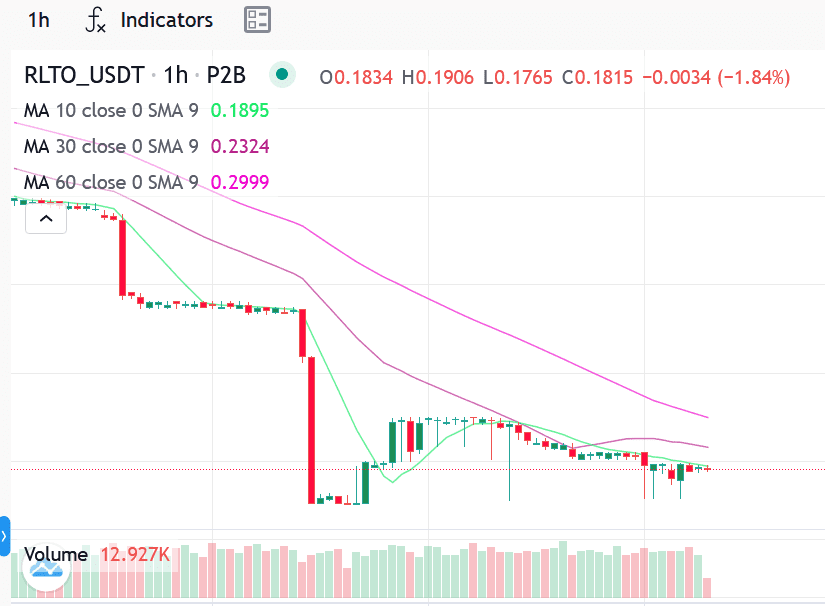
The RLTO token traded at its issue price of around €1 until March 2024 and then plummeted to almost zero. Over the weeks following the crash, the RLTO was systematically pulled up again before crashing again by almost 90% to USDT 0.1 at the beginning of May 2024.
An analysis of trading activity shows hardly any liquidity and demand behind the RLTO.
Discrepancies and Removals in the Project’s Whitepaper
The REAL-TOK whitepaper has undergone multiple revisions, with crucial details about the project’s real estate assets, the REALTO Group, and its management team conspicuously removed from the latest version. This raises questions about the transparency and reliability of the information provided to investors and regulators.
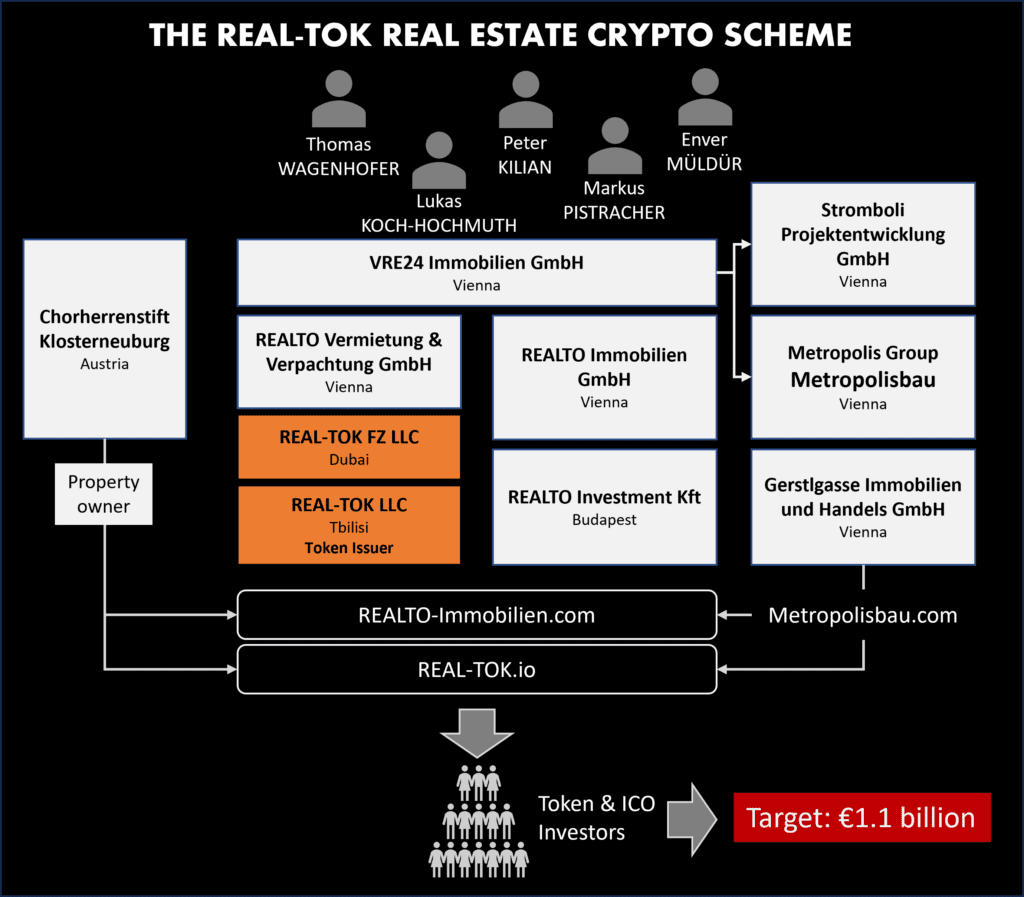
The REAL-TOK project was issued by the Austrian real estate developer of REALTO Group, led by the Austrian real-estate guys Peter Kilian, Lukas Koch-Hochmuth, and Thomas Wagenhofer and the Turkish money lender Enver Müldür. Yet, the token issuance lacks clear regulatory permissions, particularly as a security token targeted primarily at Austrian investors. This oversight poses significant legal and financial risks for the operators and potentially involves Klosterneuburg Monastery as a liable entity.
Another significant point of criticism is the qualification of the RLTO as a utility token, as the issuers have done. However, investors are actually promised a share in the profits and a high potential for value appreciation, which qualifies the RLTO as a security token. However, there is no prospectus for offering a security token to retail investors.
Klosterneuburg Monastery’s Involvement and Ethical Concerns
The project lists 487 real estate units with a declared value of €160 million, most of which are associated with the Chorherrnstift Klosterneuburg, a prominent and rich Austrian monastery. The involvement of a religious institution in what appears to be a questionable financial scheme brings to light potential ethical and operational misjudgments, warranting a closer examination by both ecclesiastical authorities and financial regulators.
Market Manipulation Allegations
Trading the REAL-TOK token (RLTO) on the P2B crypto exchange has been fraught with accusations of manipulation. Sudden price drops and recoveries suggest artificial market activities. This erratic pricing behavior underscores the potential risks to investors and the urgent need for oversight.
Call for Transparency and Oversight
With the issuance completed in December 2023, the absence of updates on the actual funds raised from investors and the overall performance of the REAL-TOK tokens is concerning. Statements from CFO Markus Pistracher are particularly awaited, given his political stature and the transparency expected in his capacity.
Seeking Information and Accountability
As details emerge and documents are altered, the call for more comprehensive information becomes louder. Stakeholders, investors, and the broader community are urged to come forward with any insights, leveraging platforms like Whistle42 for anonymous disclosures.